10 Low-Maintenance Indoor Plants To Transform Your Home.
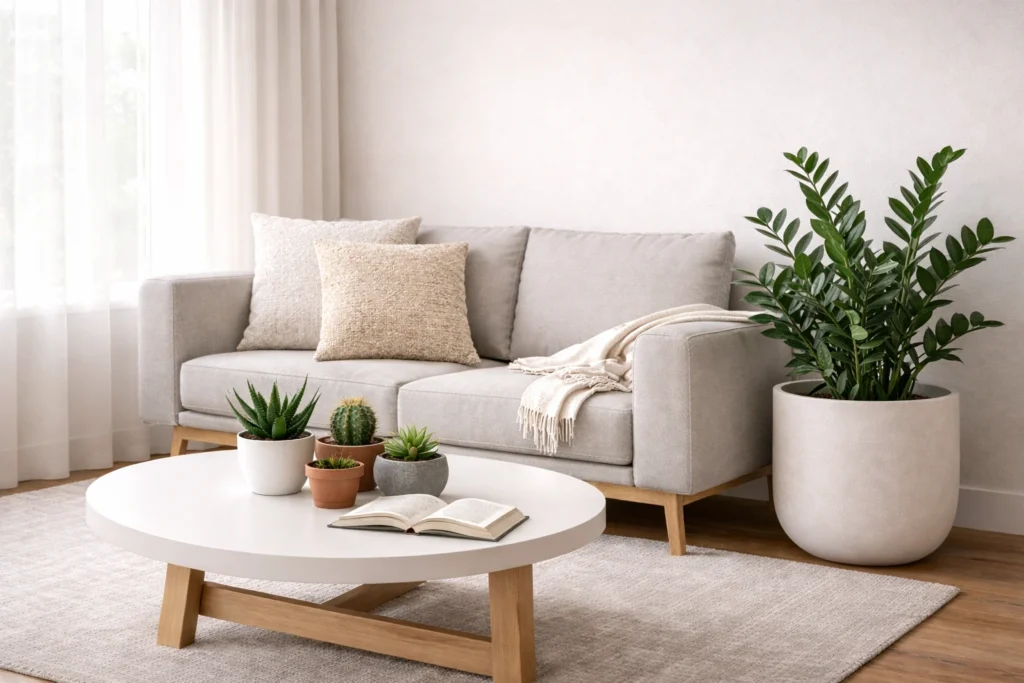
You don’t need a green thumb or a lot of free time to enjoy indoor plants. Most people I talk to worry about killing plants within weeks, especially when life gets busy. The good news is that low-maintenance indoor plants exist for exactly that reason. They handle missed waterings, low light, and everyday forgetfulness far better than you might expect.
In this guide, you’ll find reliable, beginner-friendly houseplants that actually work in real homes. Whether you live in a small apartment or just want something simple to care for, these plants bring life into your space without adding stress to your routine.
What Makes an Indoor Plant Truly Low-Maintenance?
Not all “easy” plants are created equal. A genuinely low-maintenance plant adapts to less-than-perfect conditions and doesn’t rely on strict care routines.
Most easy indoor plants share a few key traits:
- They tolerate low or indirect light
- They don’t need frequent watering
- They grow slowly and require minimal pruning
- They bounce back from occasional neglect
If you’ve ever forgotten to water a plant for a week (or two), these are the types that forgive you.
1. Snake Plant (Sansevieria)
The snake plant is one of the most reliable indoor plants you can own. It survives in low light, handles dry air, and doesn’t mind if you forget about it for a while.
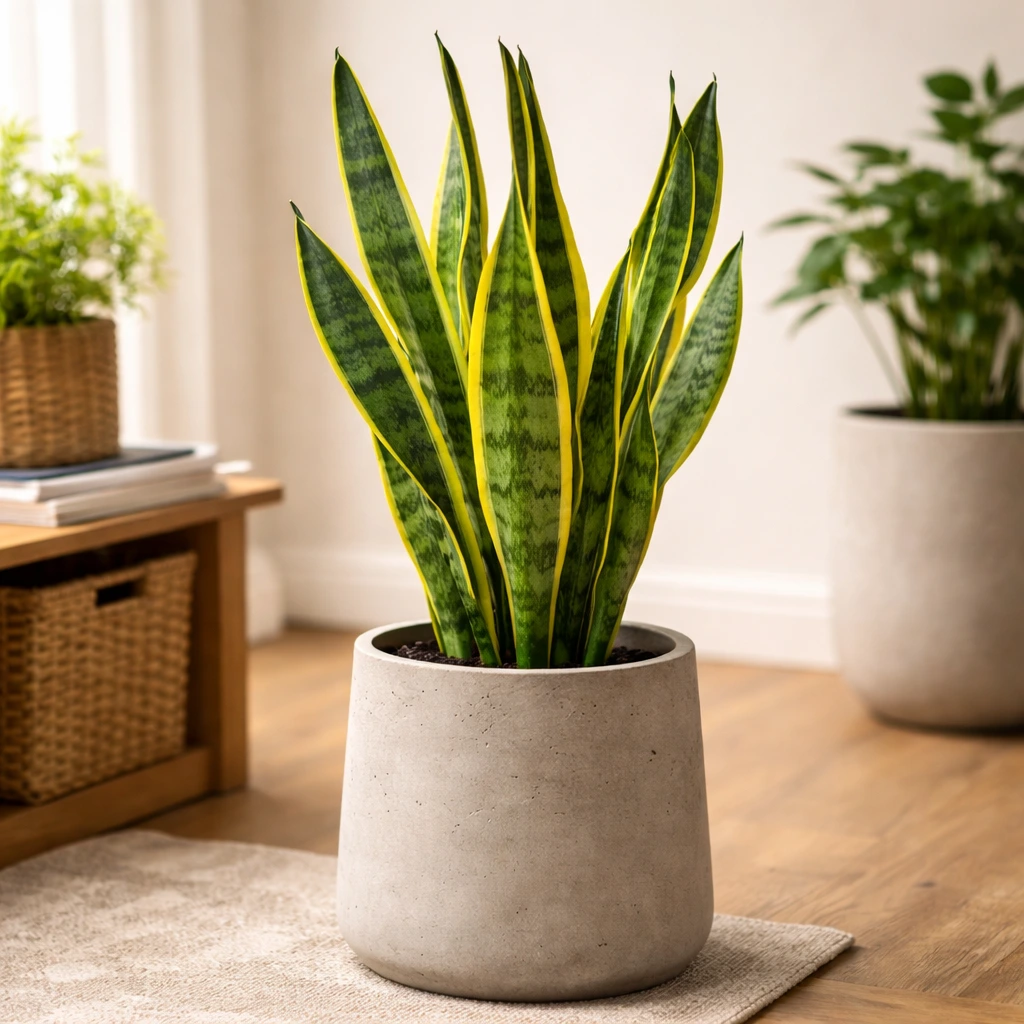
Place it in a corner, near a window, or even in a bedroom with limited sunlight. It continues to grow steadily with very little attention.
Care tips:
- Water only when the soil is completely dry
- Avoid direct harsh sunlight
- Use well-draining soil
Why it works: It stores water in its leaves, so it rarely needs frequent watering.
2. ZZ Plant (Zamioculcas zamiifolia)
If you want a true “set-it-and-forget-it” plant, the ZZ plant is hard to beat. Its glossy leaves stay healthy even in dim rooms, making it ideal for apartments.
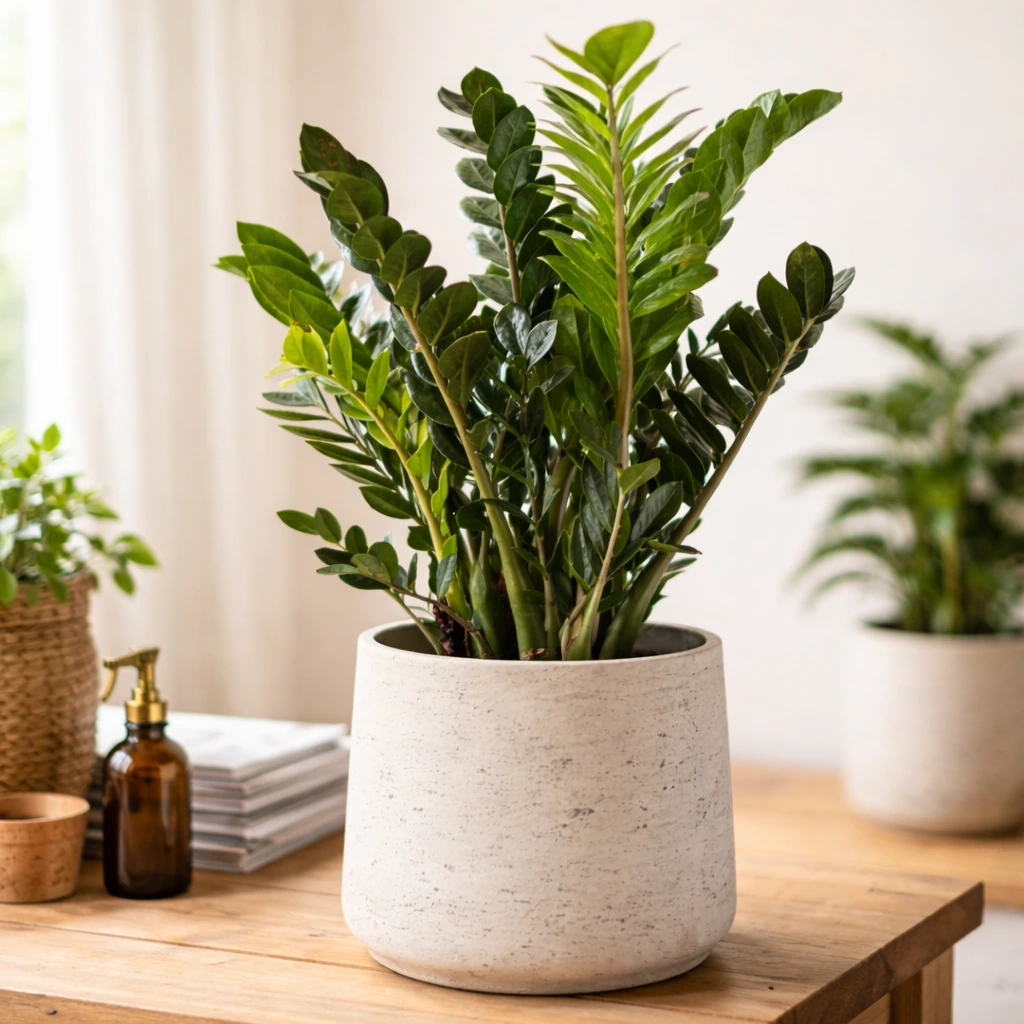
I’ve seen ZZ plants thrive in offices with no natural light for weeks at a time.
Care tips:
- Water every 2–3 weeks
- Keep in low to moderate light
- Avoid overwatering
Best for: Busy households and low-light spaces
3. Pothos (Devil’s Ivy)
Pothos is one of the best indoor plants for beginners because it grows quickly and adapts easily. Its trailing vines add a relaxed, lived-in look to shelves and hanging baskets.
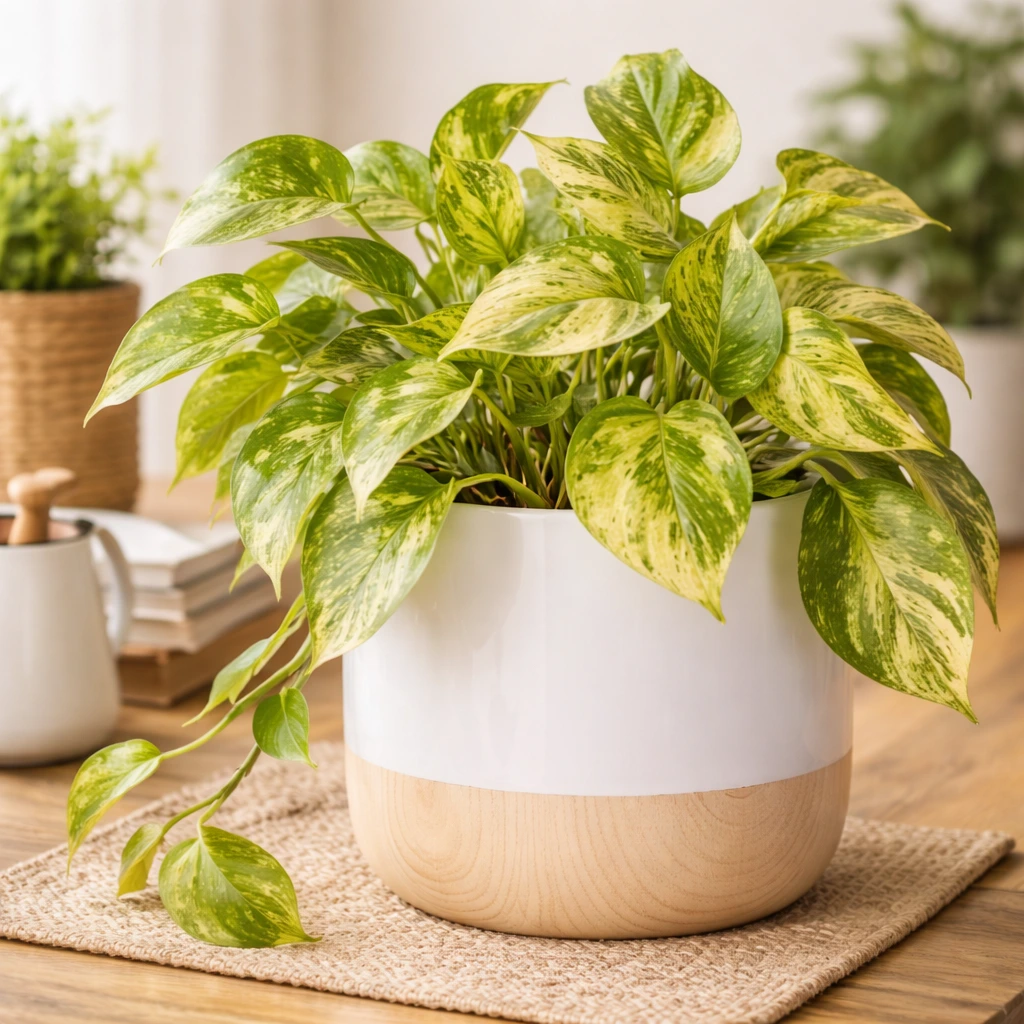
You can place it almost anywhere; from kitchens to bathrooms and it will adjust.
Care tips:
- Water when the top inch of soil dries out
- Trim vines to control growth
- Works in low to bright indirect light
Extra perk: You can propagate it easily in water.
4. Spider Plant
Spider plants feel almost impossible to get wrong. They grow quickly, produce baby plants, and tolerate a wide range of conditions.
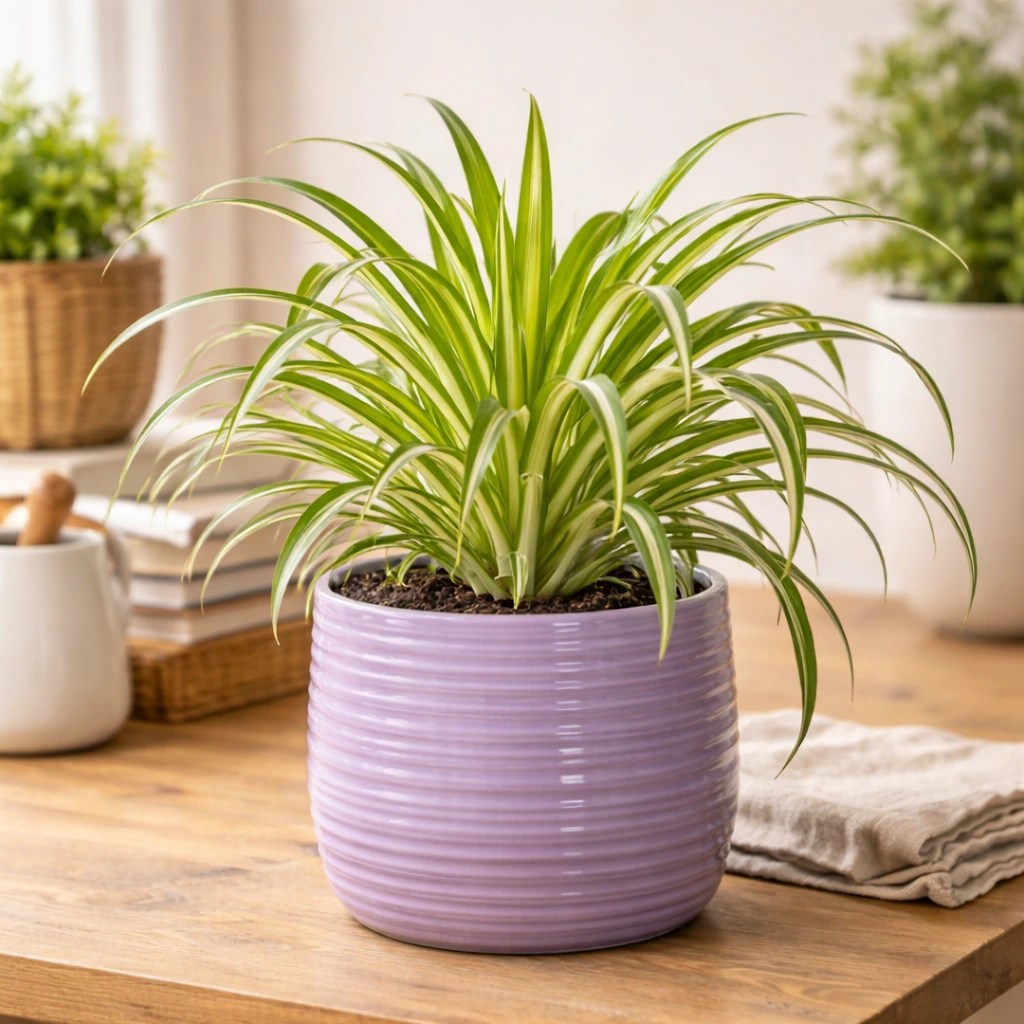
They also work well in hanging planters, which helps save space in smaller homes.
Care tips:
- Water moderately and let soil dry slightly between waterings
- Keep in bright, indirect light
- Trim brown tips if they appear
5. Peace Lily
Peace lilies bring a softer, more decorative look while still being easy to manage. They also give you clear signals—when the leaves droop, it’s time to water.
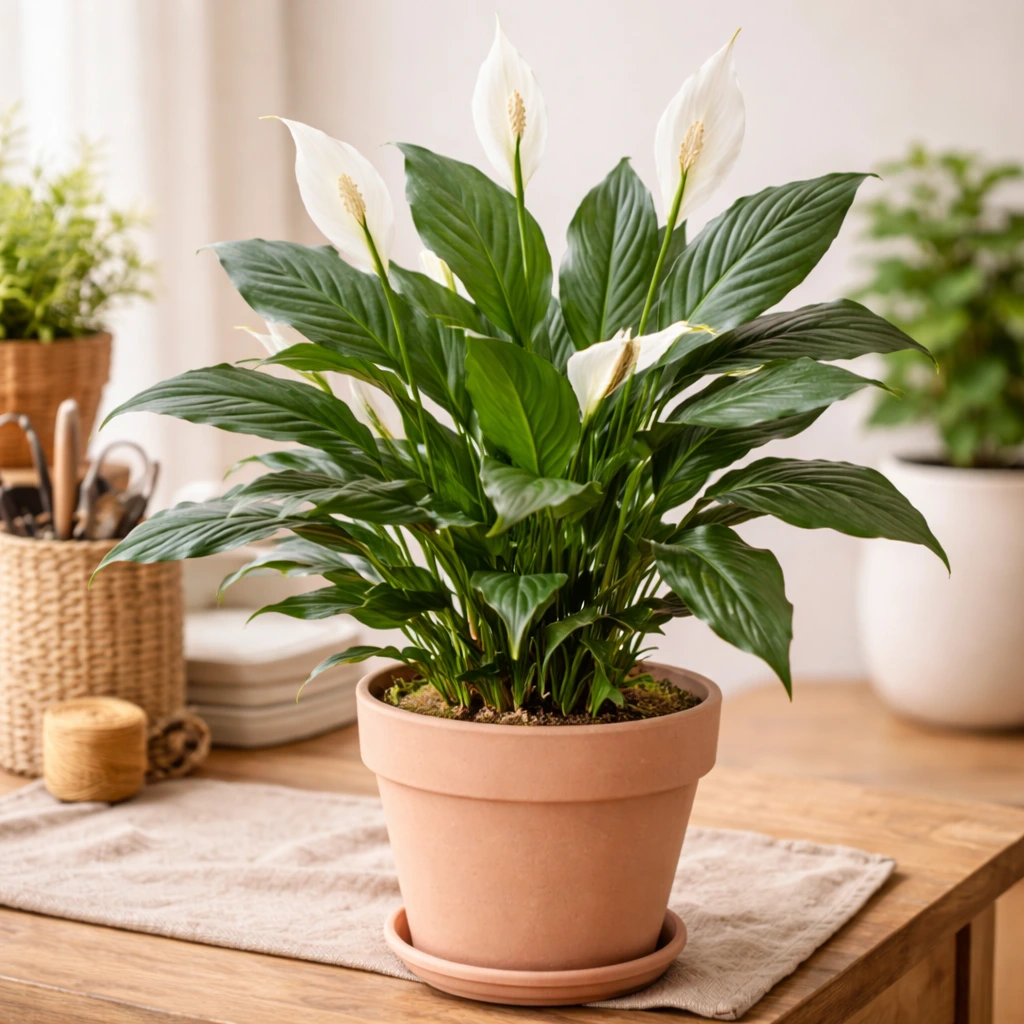
That built-in feedback makes them especially helpful for beginners.
Care tips:
- Water when leaves start to droop
- Keep in low to medium light
- Avoid direct sunlight
Note: Peace lilies are known for helping improve indoor air quality, though results vary in real homes.
6. Aloe Vera
Aloe vera is both practical and low effort. It stores water in its thick leaves, so it thrives on neglect more than attention.
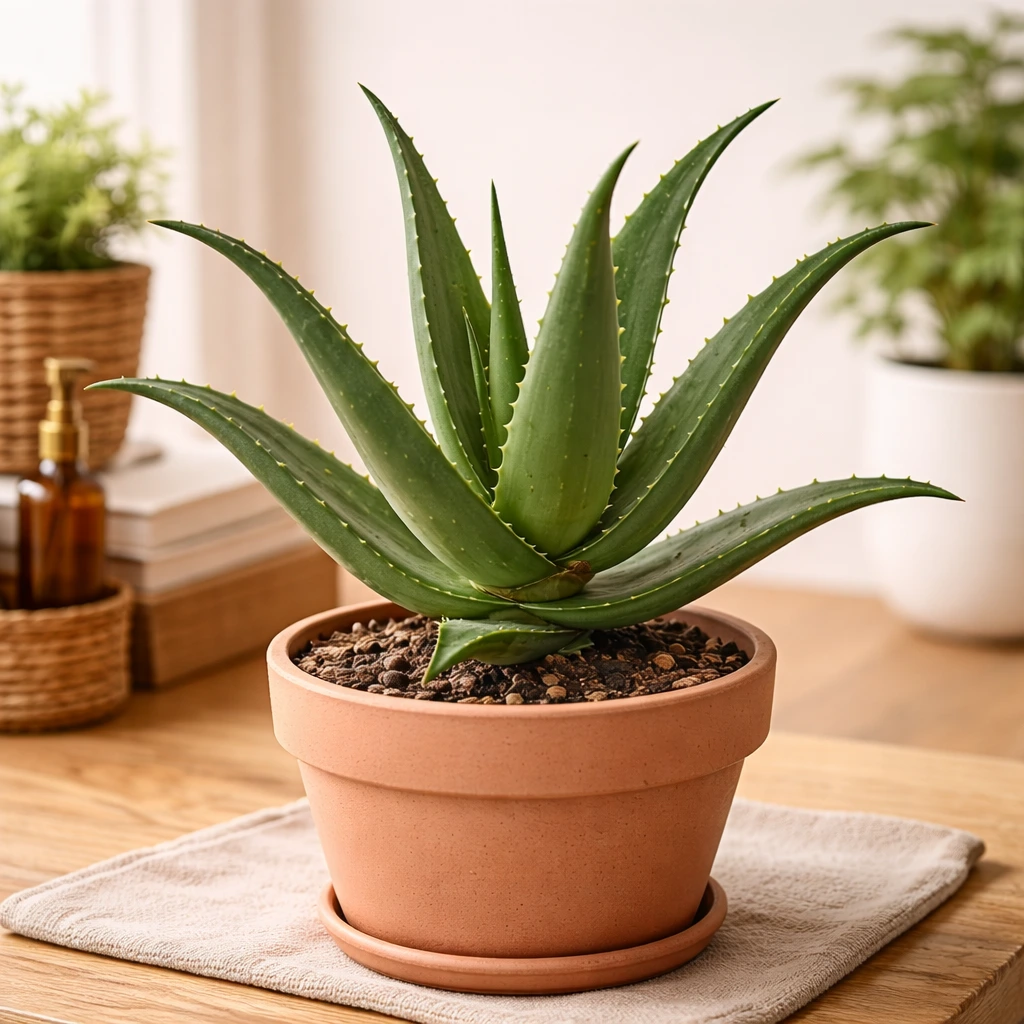
It also doubles as a useful plant for minor skin care needs.
Care tips:
- Water every 2–3 weeks
- Place in bright, indirect sunlight
- Use sandy, well-draining soil
7. Cactus
Cacti are some of the easiest houseplants you can keep. They need very little water and prefer to be left alone.
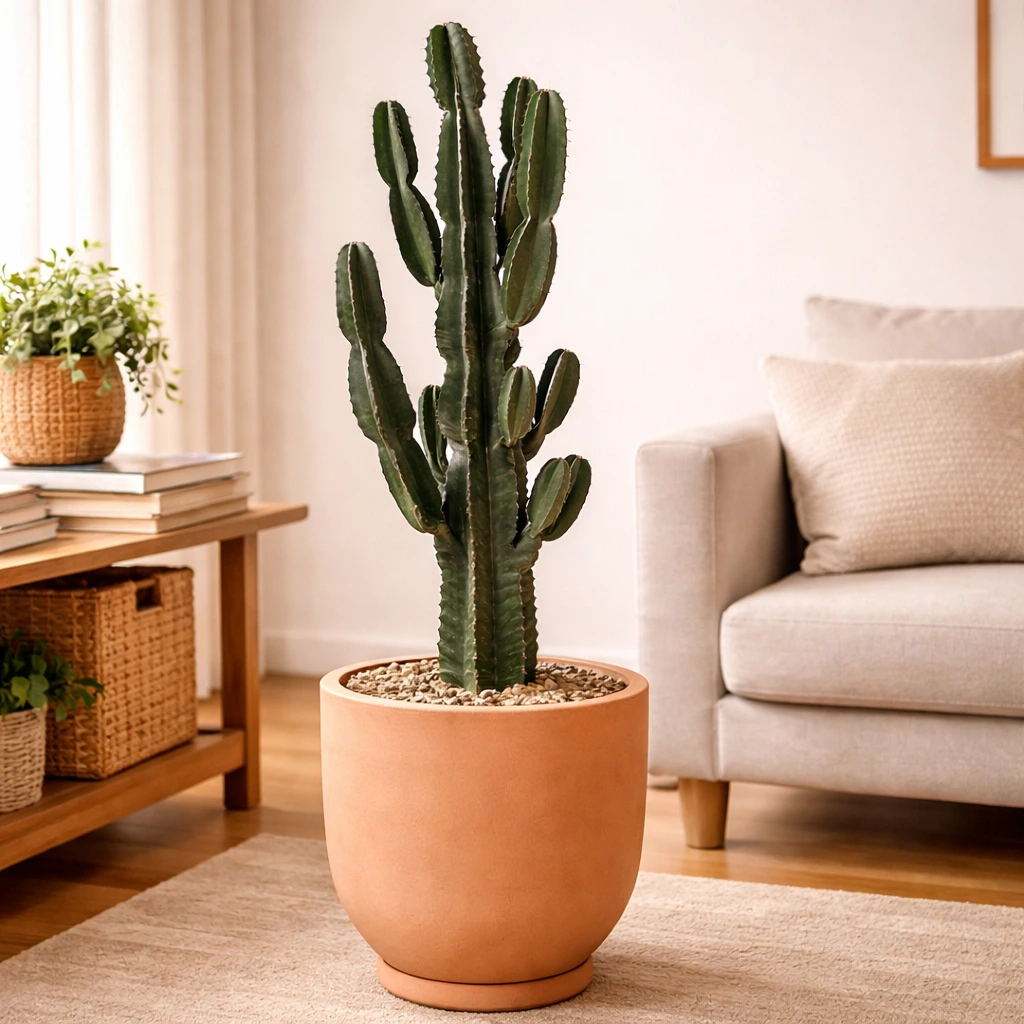
They work well on windowsills, desks, and anywhere with good light.
Care tips:
- Water sparingly (once every few weeks)
- Provide plenty of sunlight
- Avoid humid areas
8. Chinese Evergreen (Aglaonema)
Chinese evergreen plants handle low light better than most houseplants. They also come in a variety of patterns, which adds visual interest without extra care.
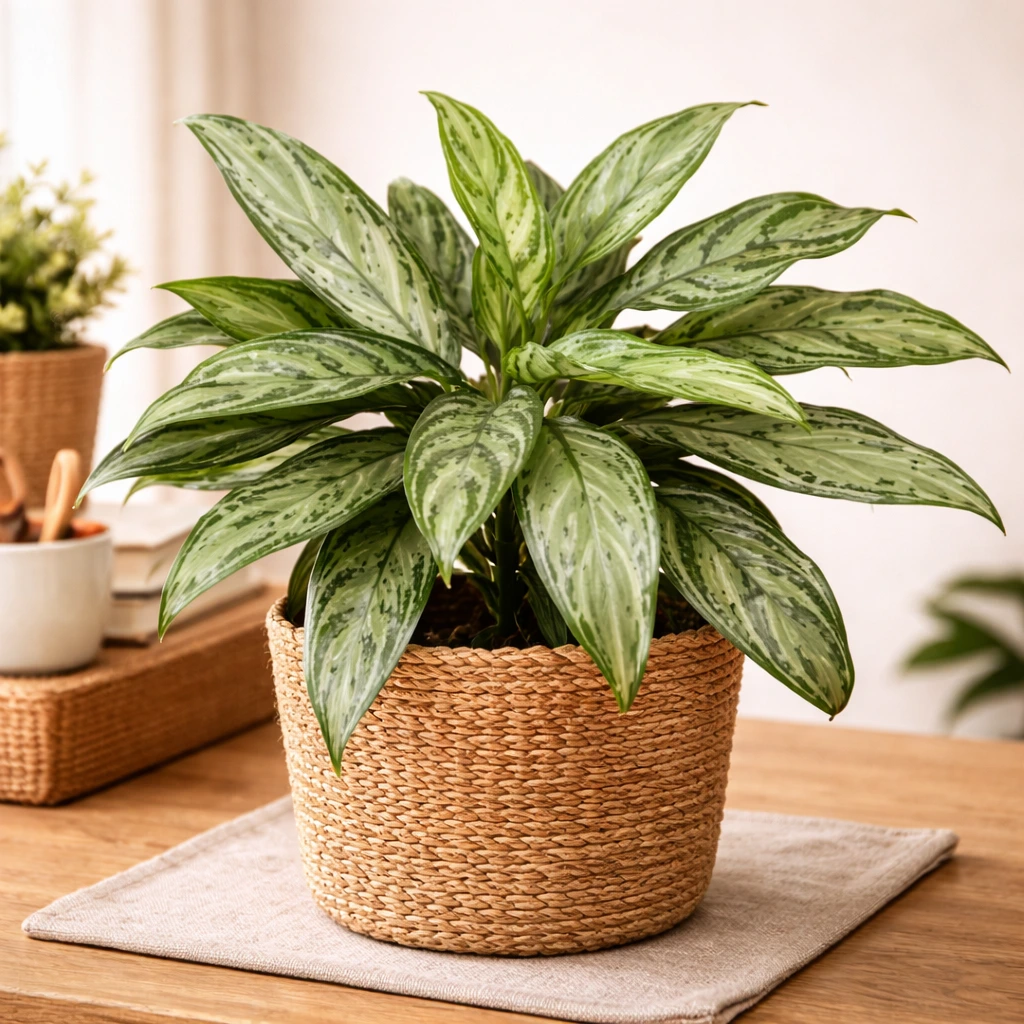
They are a solid choice if your home doesn’t get much natural light.
Care tips:
- Water when soil feels dry
- Keep in low to medium light
- Avoid cold drafts
9. Cast Iron Plant
As the name suggests, the cast iron plant is incredibly tough. It tolerates low light, irregular watering, and changing temperatures.
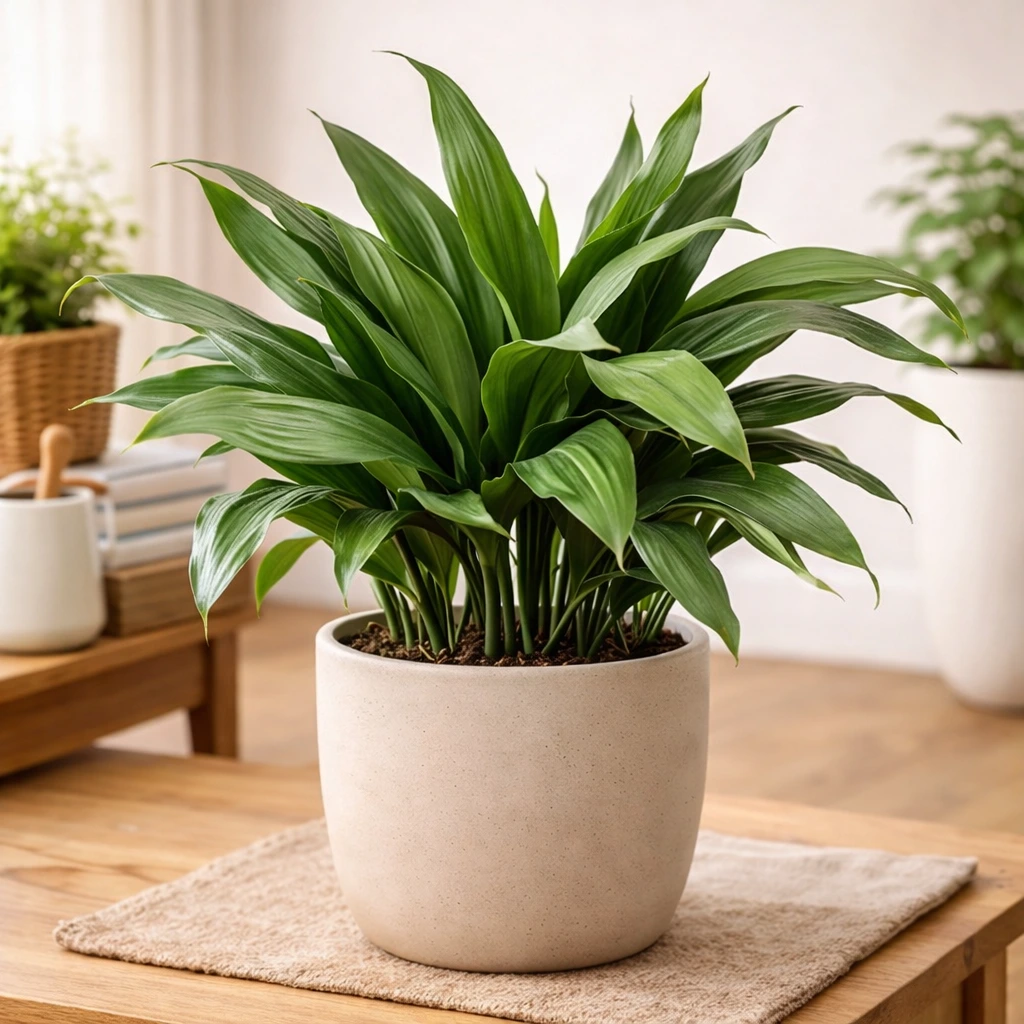
If you want something nearly indestructible, this is it.
Care tips:
- Water occasionally
- Keep in shaded or low-light areas
- Minimal pruning required
10. Dracaena
Dracaena plants offer a more structured, modern look while still being easy to maintain. They grow slowly and don’t demand much attention.
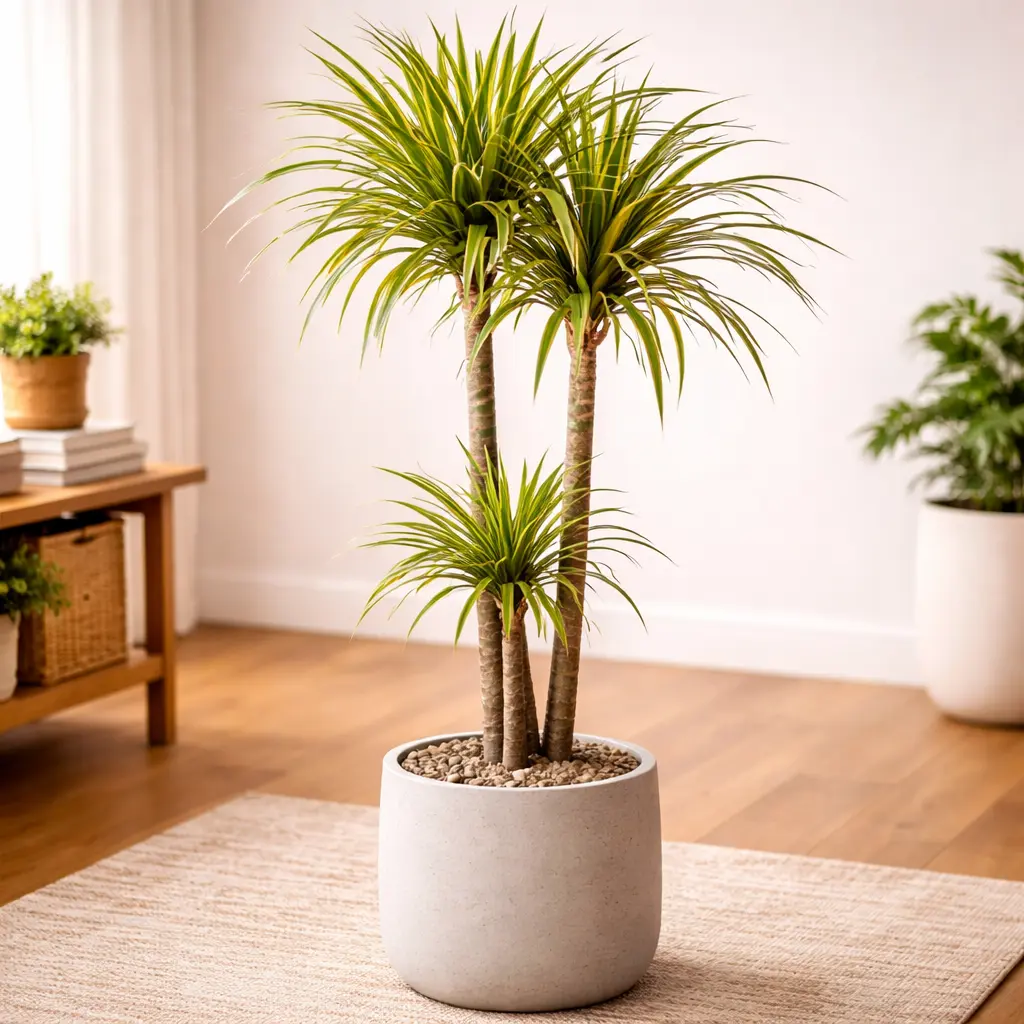
They work well in living rooms or corners that need height and greenery.
Care tips:
- Water when the top soil dries out
- Keep in indirect light
- Avoid overwatering
Quick Comparison: Which Plant Fits Your Lifestyle?
| Plant | Light Needs | Watering Frequency | Best For |
|---|---|---|---|
| Snake Plant | Low–medium | Rare | Beginners, bedrooms |
| ZZ Plant | Low | Very rare | Busy people |
| Pothos | Low–bright indirect | Moderate | Hanging décor |
| Spider Plant | Bright indirect | Moderate | Small spaces |
| Peace Lily | Low–medium | Moderate | Decorative look |
| Aloe Vera | Bright | Low | Sunny spots |
| Cactus | Bright | Very low | Minimal care |
| Chinese Evergreen | Low | Moderate | Apartments |
| Cast Iron Plant | Low | Low | Neglect-tolerant homes |
| Dracaena | Medium | Moderate | Living rooms |
Simple Care Habits That Make a Big Difference
Even low-maintenance indoor plants do better with a few basic habits in place.
- Check soil before watering instead of following a strict schedule
- Use pots with drainage holes to prevent root rot
- Rotate plants occasionally so they grow evenly
- Wipe leaves to remove dust and improve light absorption
From experience, overwatering causes more problems than anything else. When in doubt, wait another day.
Final Thoughts: Start Small and Build Confidence
Low-maintenance indoor plants make it easy to bring greenery into your home without turning it into a chore. You don’t need to care for all ten plants at once. Start with one or two that match your space and routine.
As you get comfortable, you can add more variety and experiment with placement. Over time, you’ll learn what works in your home and what doesn’t without the pressure of keeping high-maintenance plants alive.
If you’ve been hesitant to start, this is your sign to keep it simple and begin with plants that work with your lifestyle, not against it.