Induction vs Gas Cooktops: Which Is the Better Choice for Your Kitchen?
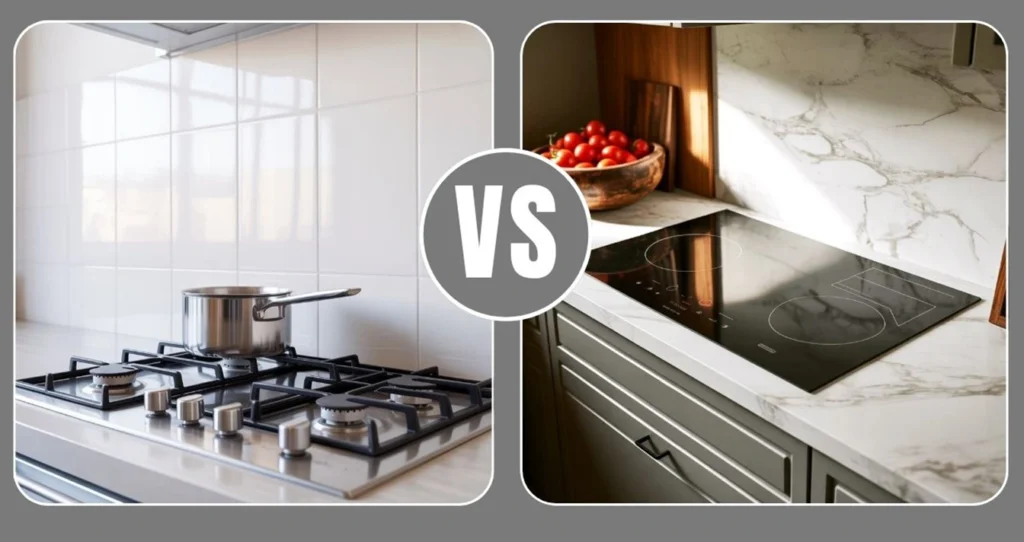
Choosing the right cooktop for your kitchen can feel overwhelming, especially with so many options available.
The debate of induction vs gas cooktops continues to be one of the hottest topics among homeowners and cooking enthusiasts.
Both offer unique advantages, but the best choice depends on your cooking style, budget, and lifestyle.
In this article, we’ll break down the key differences, benefits, and considerations to help you decide which cooktop is the better fit for your kitchen.
Understanding the Basics
Before comparing induction vs gas cooktops, it helps to know how each works.
How Induction Cooktops Work
Induction cooktops use electromagnetic fields to heat pots and pans directly. The cookware itself becomes the heat source, which makes the process incredibly efficient.
There’s no open flame, no wasted heat, and the cooktop surface stays cool except where the pan touches.
How Gas Cooktops Work
Gas cooktops rely on a steady flame fueled by natural gas or propane. Heat transfers directly from the flame to your pan, offering immediate control. This method is centuries old and still loved for its simplicity and responsiveness.
Heating Performance and Speed
When it comes to speed, induction cooktops lead the pack. They can boil water almost twice as fast as gas and respond instantly to temperature adjustments.
This precision makes them a favorite for delicate dishes like sauces or melting chocolate.
Gas cooktops, however, excel at visual control. Seeing the flame helps many cooks gauge heat levels quickly. They also shine in high-heat techniques like searing steaks, stir-frying vegetables, or charring tortillas.
Real-World Example
I tested both by boiling two pots of water: the induction model boiled in just over 3 minutes, while the gas cooktop took nearly 7. But when I needed to sear salmon with crispy skin, the gas flame gave me that perfect golden crust.
Energy Efficiency and Costs
Induction cooktops are more energy-efficient, converting about 85–90% of their energy into heat. Since they heat the cookware directly, little is wasted. This efficiency can translate into lower electricity bills over time.
Gas cooktops are less efficient, converting only about 40–60% of energy into actual cooking power. The rest escapes as heat around the pan. That said, the lower initial price of gas models still appeals to many homeowners.
Cost Considerations
- Induction: Higher upfront price ($1,000–$2,000) but long-term savings on energy.
- Gas: Lower upfront price ($500–$1,500) but higher monthly gas bills and ventilation needs.
Safety Features
Safety is a big factor in the induction vs gas cooktops debate.
- Induction: The surface stays cool, making burns less likely. The cooktop automatically shuts off when no pan is detected. Many models include child locks and timers.
- Gas: Modern models often include flame-failure devices that cut gas if the flame goes out. However, open flames carry higher risks of burns or fire.
For families with young children, induction usually offers better peace of mind.
Installation and Kitchen Setup
Induction Setup
Induction cooktops require a dedicated 240-volt electrical outlet. They don’t produce fumes, so ventilation is optional. If your kitchen doesn’t already have the outlet, you may need an electrician to upgrade your wiring.
Gas Setup
Gas cooktops need a working gas line and proper ventilation. If your home lacks a gas connection, installing one can be costly. Ventilation is essential to remove fumes and carbon monoxide.
Cookware Compatibility
Induction cooktops need magnetic cookware, such as cast iron or stainless steel. You can test your pots with a magnet; if it sticks, it’s compatible.
If most of your cookware is aluminum, copper, or glass, you may need replacements.
Gas cooktops are versatile, working with almost any type of cookware. This makes them convenient if you already own a wide range of pots and pans.
Cleaning and Maintenance
Cleaning is often overlooked in the induction vs gas cooktops comparison, but it matters.
- Induction: The flat glass surface wipes clean easily. Since spills don’t burn onto the surface, cleanup is quick.
- Gas: Burners, grates, and crevices require more scrubbing. Food spills can stick and may need deep cleaning over time.
If easy cleaning is high on your list, induction is the winner.
Cost Analysis: Short-Term vs Long-Term Value
| Cost Factor | Induction Cooktops | Gas Cooktops |
|---|---|---|
| Initial Purchase | $1,000–$2,000 | $500–$1,500 |
| Installation | $200–$500 (electrician) | $300–$700 (gas line) |
| Ongoing Utility Bills | Lower (electricity) | Higher (gas + vent) |
| Maintenance | Lower (simple cleaning) | Higher (burner care) |
Induction may cost more upfront, but the savings in energy and maintenance can even things out over time.
Environmental Impact
Induction cooktops have a smaller carbon footprint since they run on electricity and don’t release combustion gases into your kitchen. They align better with eco-friendly, energy-conscious lifestyles.
Gas cooktops burn fossil fuels, which contributes to indoor air pollution and greenhouse gas emissions. For environmentally minded homeowners, induction is the greener choice.
Cooking Experience: Which Feels Better?
Cooking isn’t just about speed or efficiency; it’s about how the process feels.
- Induction: Offers precision, consistency, and a quieter, cooler kitchen environment.
- Gas: Provides the sensory experience of cooking with a flame, something many chefs find irreplaceable.
Ultimately, your personal cooking style should guide your decision.
Frequently Asked Questions (FAQs)
1. Do induction cooktops use more electricity?
Not necessarily. While they run on electricity, their efficiency means they often use less energy overall compared to gas.
2. Can I install an induction cooktop myself?
If you already have the correct outlet, yes. Otherwise, you’ll need a licensed electrician for safe installation.
3. Is gas cheaper to operate than induction?
In some regions where gas is inexpensive, yes. But in the long run, induction often balances out through energy savings.
4. Which lasts longer: induction or gas?
Both can last 10–15 years with proper care. Induction has fewer moving parts but depends on electronics, while gas models may require more frequent burner maintenance.
5. Can professional chefs use induction?
Yes. Many modern restaurants now use induction for speed and consistency, though gas remains popular for traditional techniques.
Pros and Cons Quick Comparison
| Feature | Induction Cooktops | Gas Cooktops |
| Heating Speed | Very fast | Moderate |
| Energy Efficiency | High | Low |
| Safety | Very safe | Moderate |
| Cookware Requirement | Magnetic cookware only | Any cookware |
| Cleaning | Easy, smooth surface | More involved |
| Upfront Cost | Higher | Lower |
| Environmental Impact | Eco-friendly | Emits gases |
Conclusion: Which Should You Choose?
The decision between induction vs gas cooktops ultimately depends on your lifestyle. If you value speed, safety, and energy efficiency, induction is the smart investment.
If you love the feel of flame cooking and want a lower upfront cost, gas may be the better choice.
Think about your cooking style, your budget, and your long-term priorities. The right choice will not only enhance your cooking experience but also make your kitchen more aligned with your daily needs and values.