Types of Bathtubs: Choosing the Perfect One for Your Bathroom.
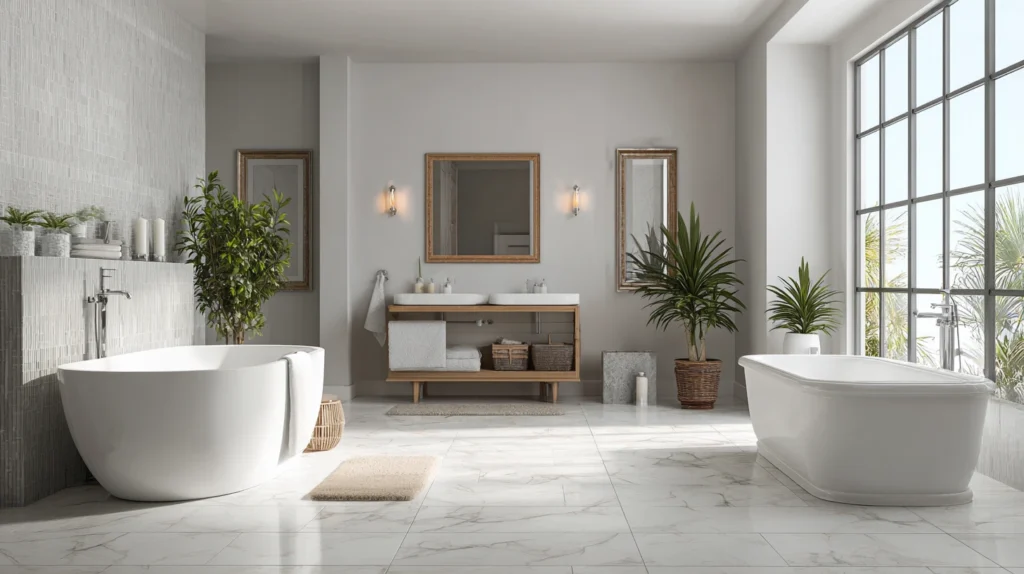
When I remodeled my first bathroom, I had no idea how many types of bathtubs existed. From sleek freestanding tubs to compact alcove models, the options seemed endless.
Picking the right bathtub felt overwhelming at first, but I quickly realized that each style came with its own personality and benefits.
If you’re planning a bathroom upgrade, understanding the different types of bathtubs will help you find one that matches both your lifestyle and design goals.
The right bathtub can completely change your bathroom’s look and even improve your daily routine.
Freestanding Bathtubs: A Statement of Luxury
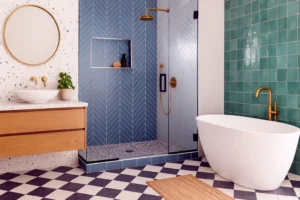
Freestanding bathtubs stand out as the centerpiece of any bathroom. They sit independently without the need for walls, giving you freedom to place them anywhere.
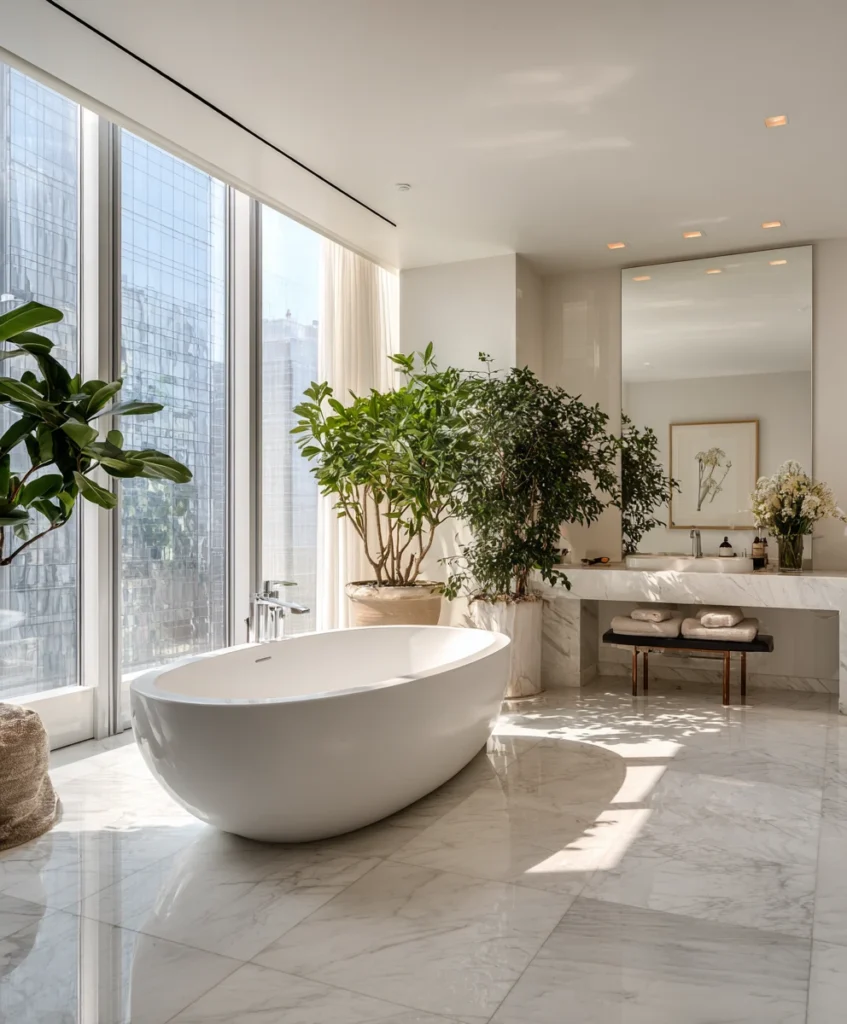
Homeowners love them because they instantly elevate the room with a spa-like feel and a touch of drama.
The beauty of freestanding tubs lies in their versatility. You’ll find them in clawfoot designs for vintage lovers or smooth, modern curves for contemporary homes.
Acrylic freestanding tubs are lighter and easier to install, while cast iron models offer durability and timeless appeal.
However, freestanding tubs often require more space and plumbing flexibility, which might not suit smaller bathrooms. They can also be more expensive to purchase and install compared to standard models.
Pros:
- Bold and stylish centerpiece
- Wide variety of shapes and materials
- Ideal for creating a spa-inspired bathroom
Cons:
- Requires more space
- Can be more expensive to install
Alcove Bathtubs: The Practical Everyday Choice
Alcove bathtubs fit perfectly into three-walled enclosures, making them the most common type in American homes. Their practical design makes them a go-to for families, especially when paired with a shower.
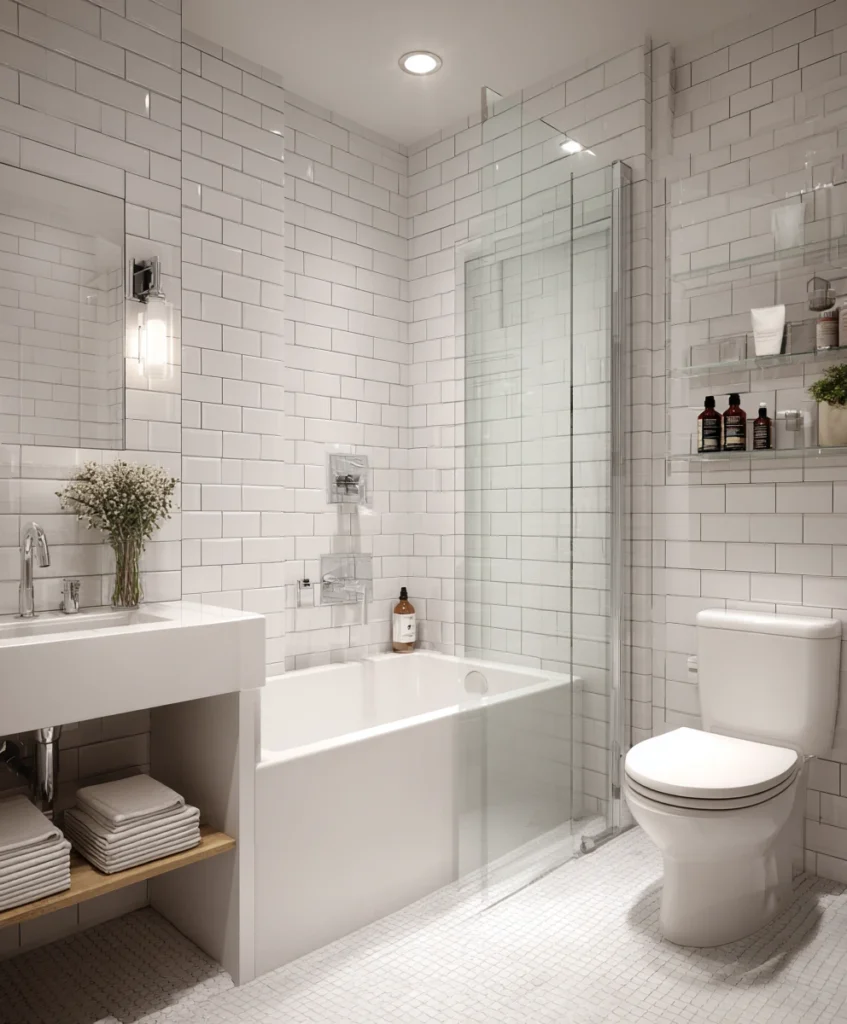
Alcove tubs are easy to install and can be combined with shower curtains or glass doors, making them highly functional.
I lived with an alcove tub for years in my first apartment, and it never failed me. It saved space and offered functionality, especially when space was limited.
Many modern alcove tubs now come with deeper basins, allowing for a more relaxing soak without requiring additional space. Their affordability and ease of use make them a great entry point for homeowners renovating on a budget.
Pros:
- Great for small bathrooms
- Budget-friendly option
- Easy to combine with a shower
Cons:
- Limited design flexibility
- Less dramatic visual impact
Drop-In Bathtubs: Built-In Elegance
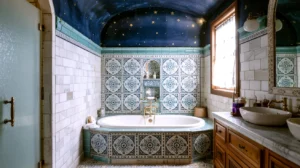
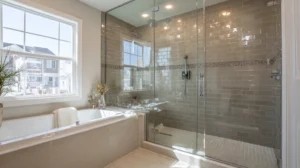
Drop-in bathtubs offer a sleek, custom-built look. They feature a shell that “drops” into a framed deck or enclosure.
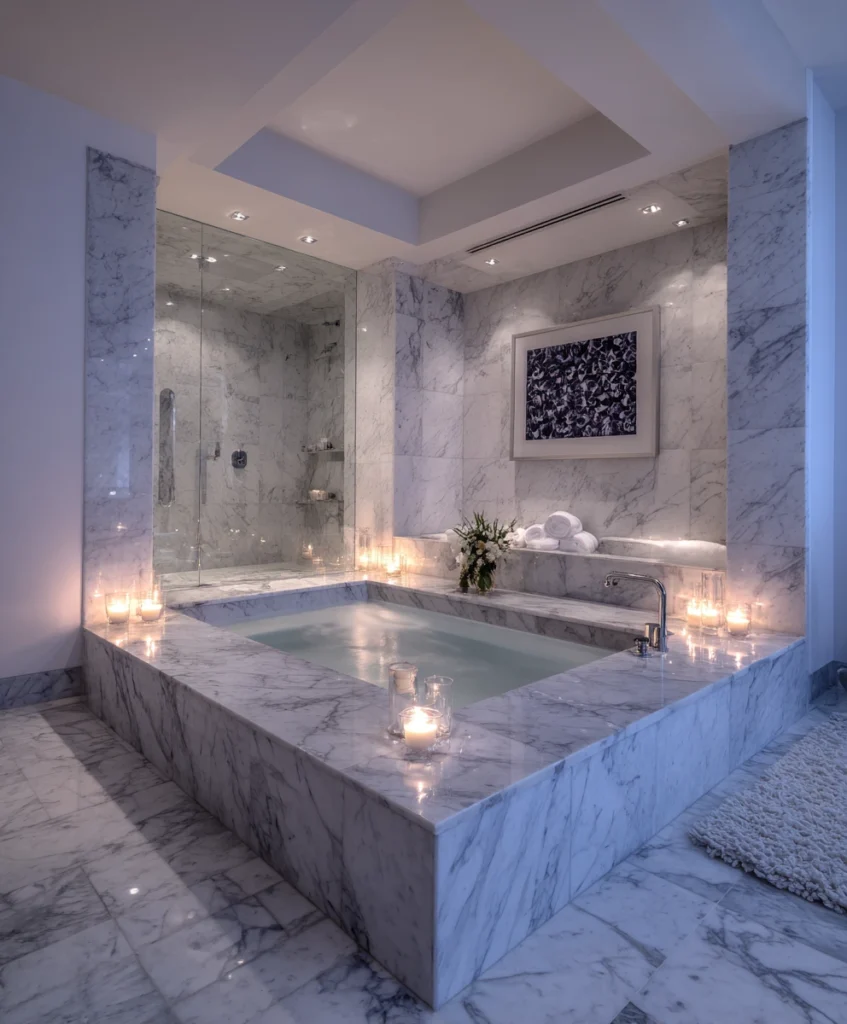
This setup allows homeowners to choose the surrounding materials, whether tile, stone, or wood. The design creates an elegant, polished look that feels luxurious.
These tubs feel luxurious because you can design the deck to match your bathroom theme. For example, I’ve seen a drop-in tub framed with marble that looked straight out of a high-end spa.
Homeowners can personalize everything from the deck finish to storage solutions around the tub, which makes it functional as well as beautiful.
However, they require more installation effort compared to alcove or freestanding models, which means higher costs.
Pros:
- Fully customizable appearance
- Creates a clean, built-in design
- Comfortable for lounging
Cons:
- More complex installation
- Requires additional framing space
Corner Bathtubs: Maximizing Space with Style
Corner bathtubs tuck neatly into a corner, often shaped like triangles or oversized squares. They work perfectly in master bathrooms where you want both comfort and efficient use of space.
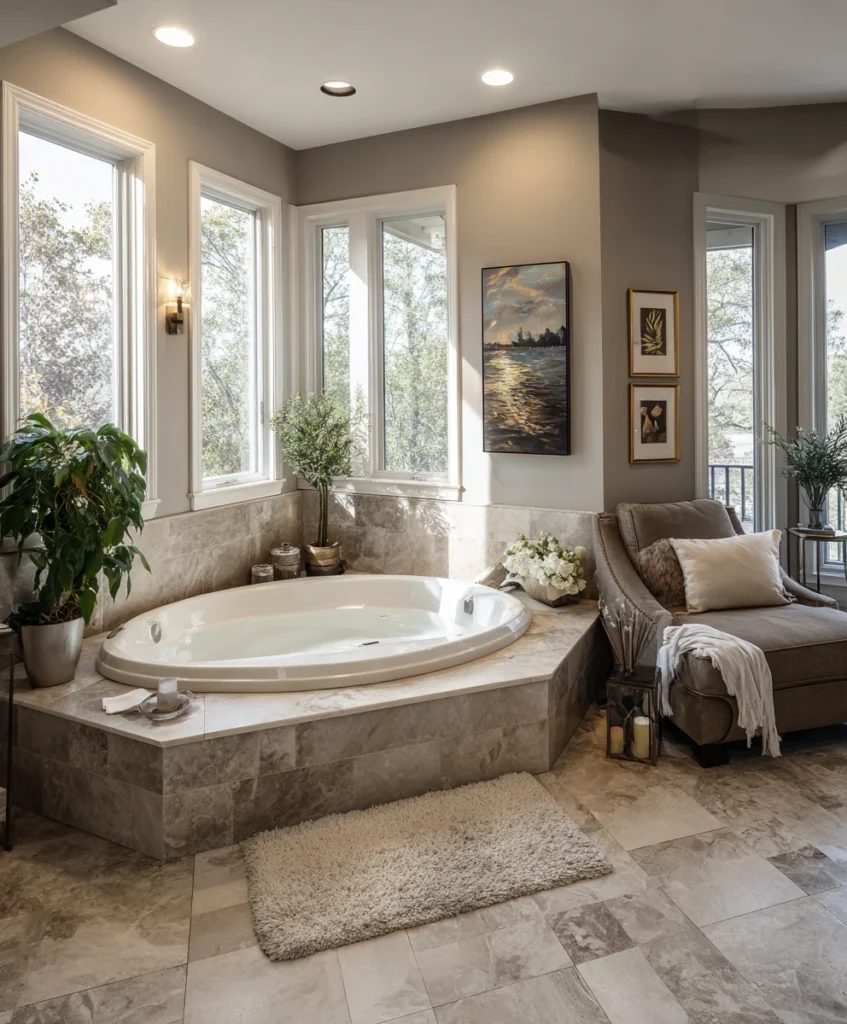
The wide design often accommodates two bathers, making them ideal for couples.
I once stayed in a rental with a corner tub, and it completely transformed the feel of the bathroom. The tub allowed two people to soak comfortably while saving floor space.
These tubs often come with built-in seating or whirlpool features, which make them even more inviting.
That said, corner tubs can take up more water and may not suit minimalist bathrooms that rely on clean, compact lines.
Pros:
- Space-efficient layout
- Comfortable for two people
- Adds a touch of luxury
Cons:
- Uses more water
- May overwhelm smaller bathrooms
Clawfoot Bathtubs: Vintage Charm Reimagined
Clawfoot bathtubs bring old-world charm into modern bathrooms. Raised on decorative legs, these tubs make a statement in any setting.
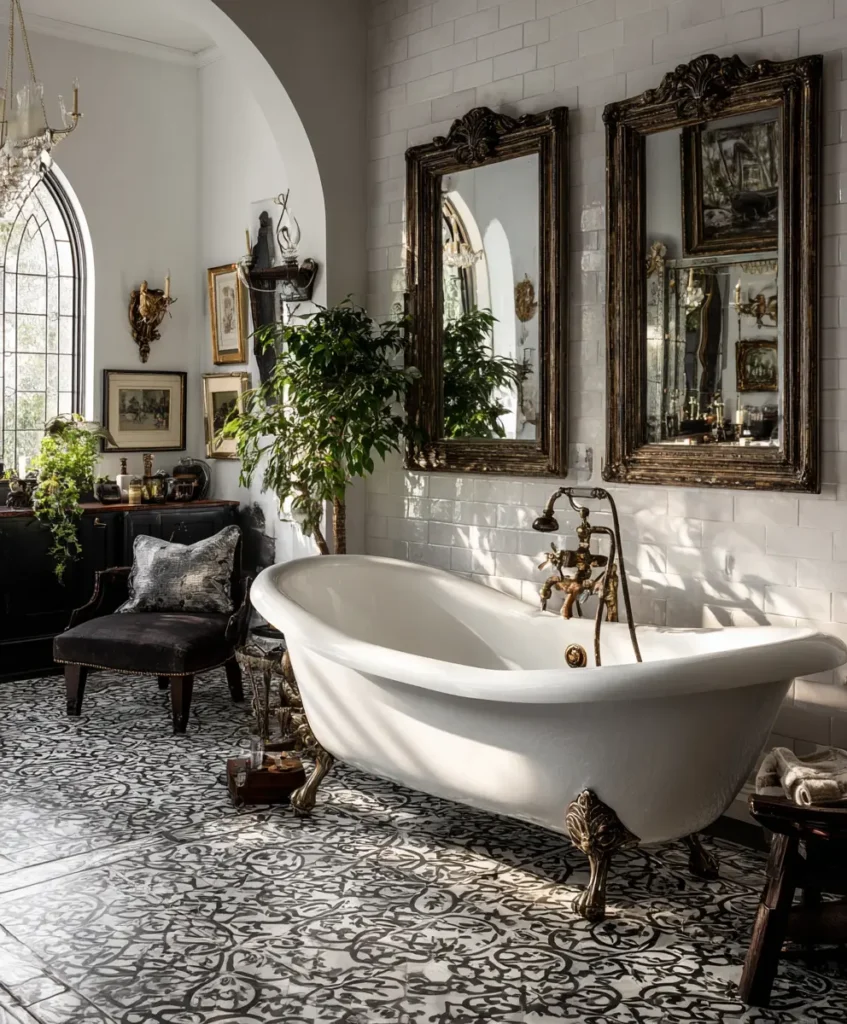
They’re often associated with classic Victorian homes but have been adapted into sleek, modern versions too. Their timeless appeal makes them popular in both traditional and transitional designs.
My grandmother had a clawfoot tub, and I always admired its character. It stood as the centerpiece of her bathroom, blending history with function.
Today, these tubs come in cast iron, acrylic, and even lightweight fiberglass options. They’re durable and ideal for deep soaking, but moving one up a flight of stairs is no small task.
Pros:
- Timeless, vintage style
- Strong design presence
- Great for deep soaking
Cons:
- Heavy and difficult to install upstairs
- Requires more floor space
Soaking Tubs: Pure Relaxation
Soaking tubs focus on depth rather than size, allowing you to fully submerge and unwind. They’re perfect for homeowners who prioritize self-care and relaxation.
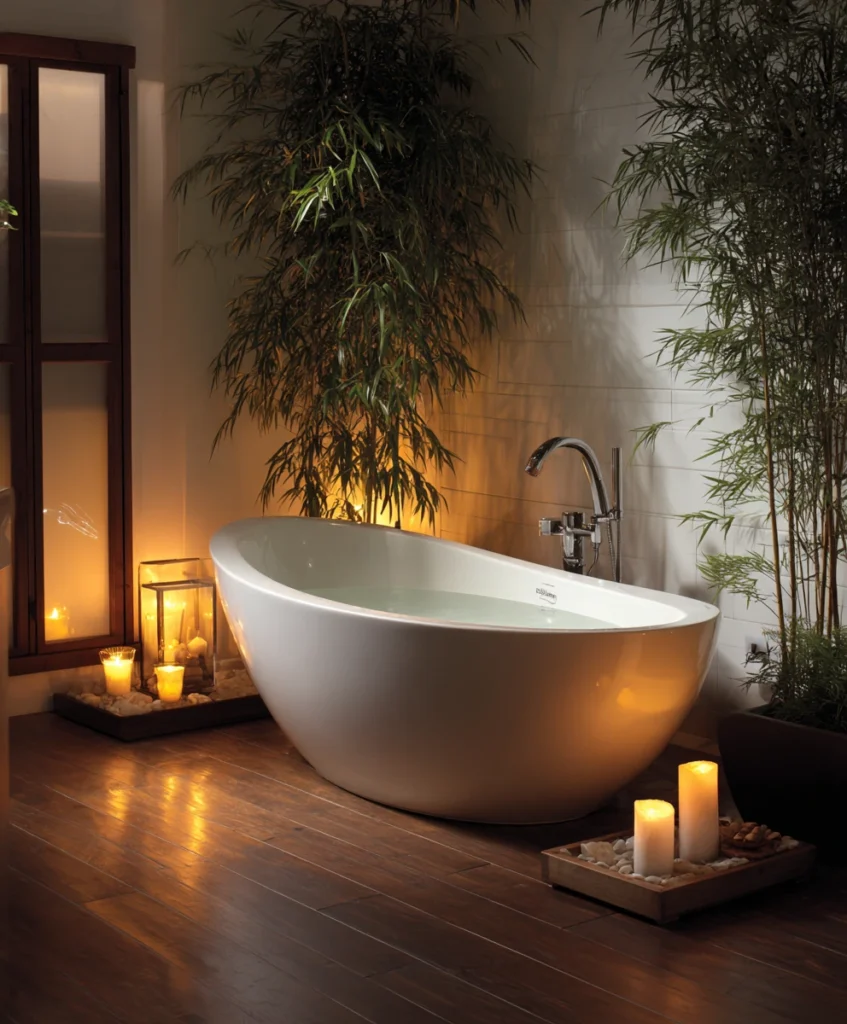
These tubs often have ergonomic designs that support your back and legs, making your bath even more comfortable.
I remember the first time I used a soaking tub at a boutique hotel, it felt transformative. The depth created a cocoon-like effect that made it impossible to leave stressed.
If relaxation is a top priority, this type of bathtub is worth considering. They come in freestanding, alcove, and even Japanese-style variations, giving you flexibility in both form and function.
Pros:
- Deep, relaxing soak
- Compact footprint despite depth
- Enhances wellness routines
Cons:
- Not ideal for quick showers
- Can be pricey depending on material
Whirlpool Bathtubs: Hydrotherapy at Home
Whirlpool bathtubs incorporate jets that massage your body with streams of water. They’re ideal for people with sore muscles or anyone who enjoys hydrotherapy at home.
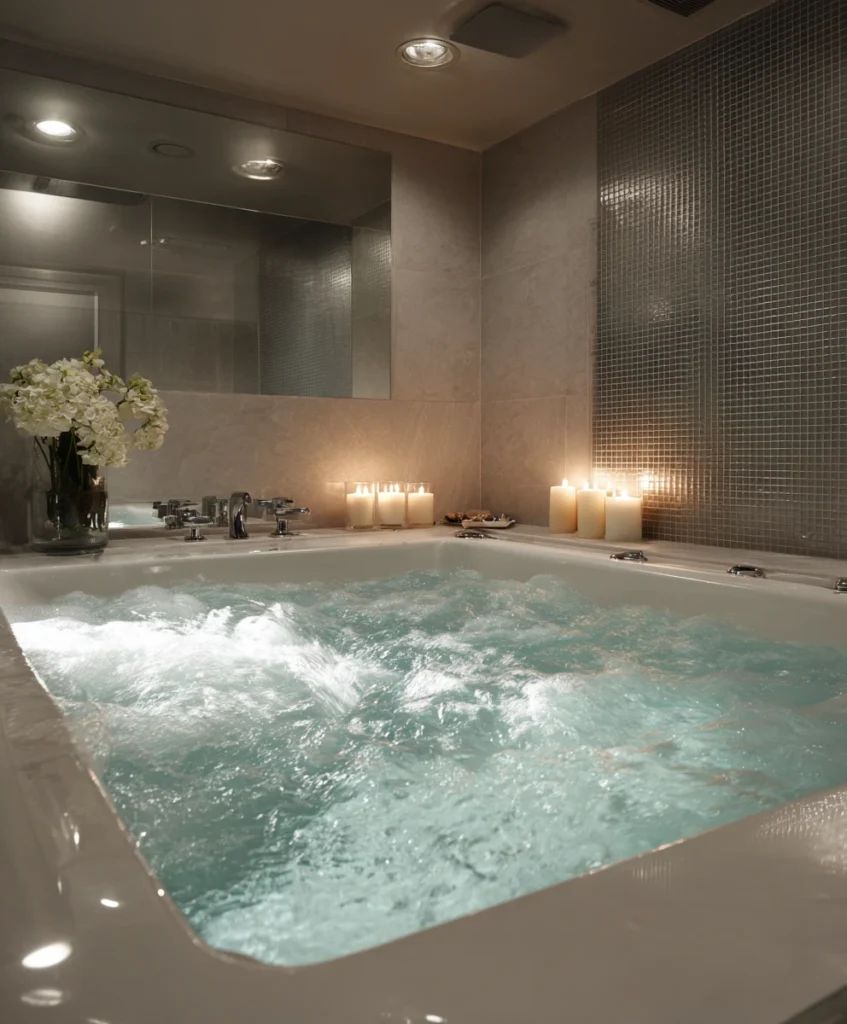
The swirling water helps improve circulation and relieve tension after a long day.
Friends of mine swear by their whirlpool tub, claiming it helps ease daily tension and improve sleep. The adjustable jets make each soak customizable.
However, whirlpool tubs do require more maintenance to keep jets clean and functioning. They’re also louder than traditional tubs, which might be disruptive in quieter homes.
Pros:
- Provides hydrotherapy benefits
- Highly customizable with jets
- Adds spa-like luxury to the home
Cons:
- Requires regular maintenance
- Louder than traditional tubs
Air Bathtubs: A Gentle Alternative
Air bathtubs look similar to whirlpools but rely on streams of warm air bubbles instead of water jets. The sensation feels gentler and more calming, which makes them popular for daily use.
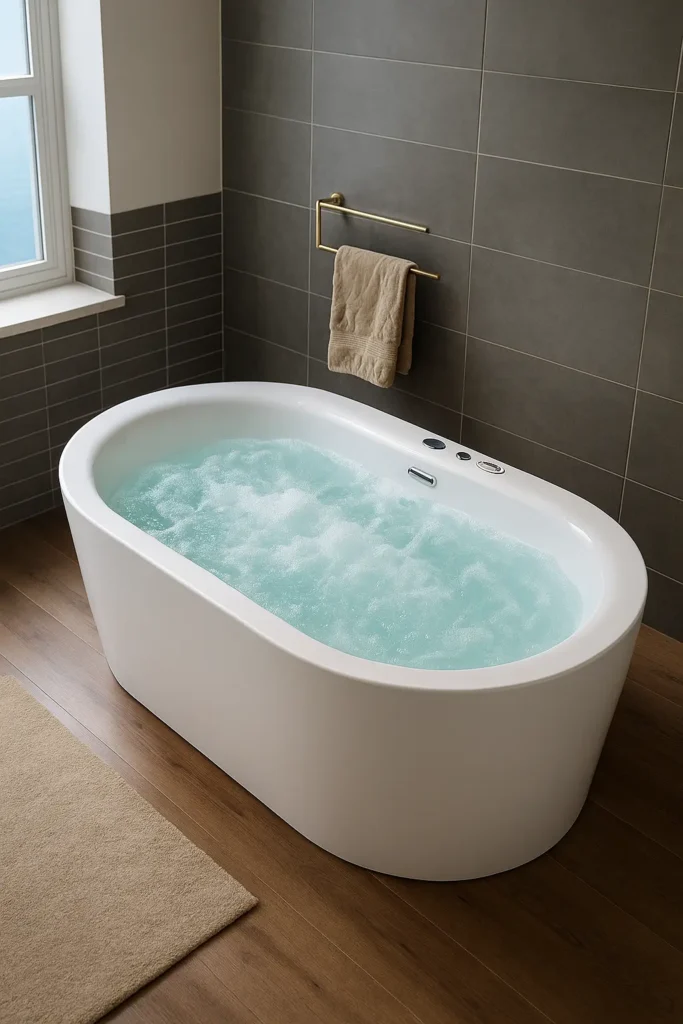
Unlike whirlpool tubs, air tubs don’t require as much upkeep. They’re a fantastic option if you love a bubbling soak without the intensity of jets.
Some models even combine aromatherapy and chromotherapy features for a multi-sensory bathing experience. However, they may not deliver the same deep massage effect as whirlpools.
Pros:
- Gentle, relaxing bubbles
- Easier to clean than whirlpools
- Great for daily relaxation
Cons:
- Less powerful massage
- Can lose heat more quickly
Walk-In Bathtubs: Safety and Accessibility
Walk-in bathtubs prioritize safety and accessibility. They feature a door that allows users to step in easily, reducing the risk of slipping.
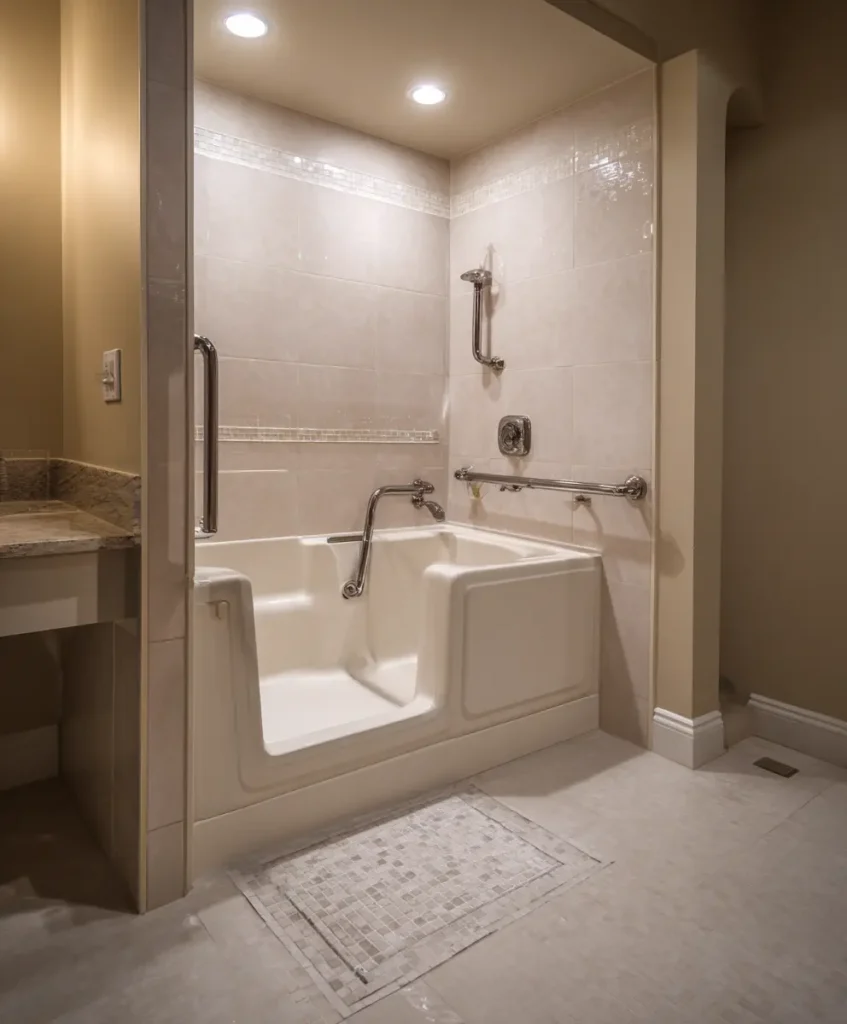
Many walk-in tubs include built-in seating, handrails, and anti-slip surfaces.
These tubs are particularly helpful for older adults or people with mobility challenges. My aunt installed one in her home, and it gave her the independence to enjoy bathing without assistance.
Walk-in bathtubs also come with optional whirlpool or air systems for added comfort. The trade-off is that you need to wait inside the tub while it fills and drains, which can take longer.
Pros:
- Safe and accessible design
- Built-in safety features
- Comfortable and supportive
Cons:
- Takes longer to fill and drain
- Can be more expensive
Japanese-Style Bathtubs: Compact Yet Deep
Japanese-style bathtubs, also known as “ofuro,” are smaller in size but much deeper than standard tubs. They allow full-body soaking while taking up minimal floor space.
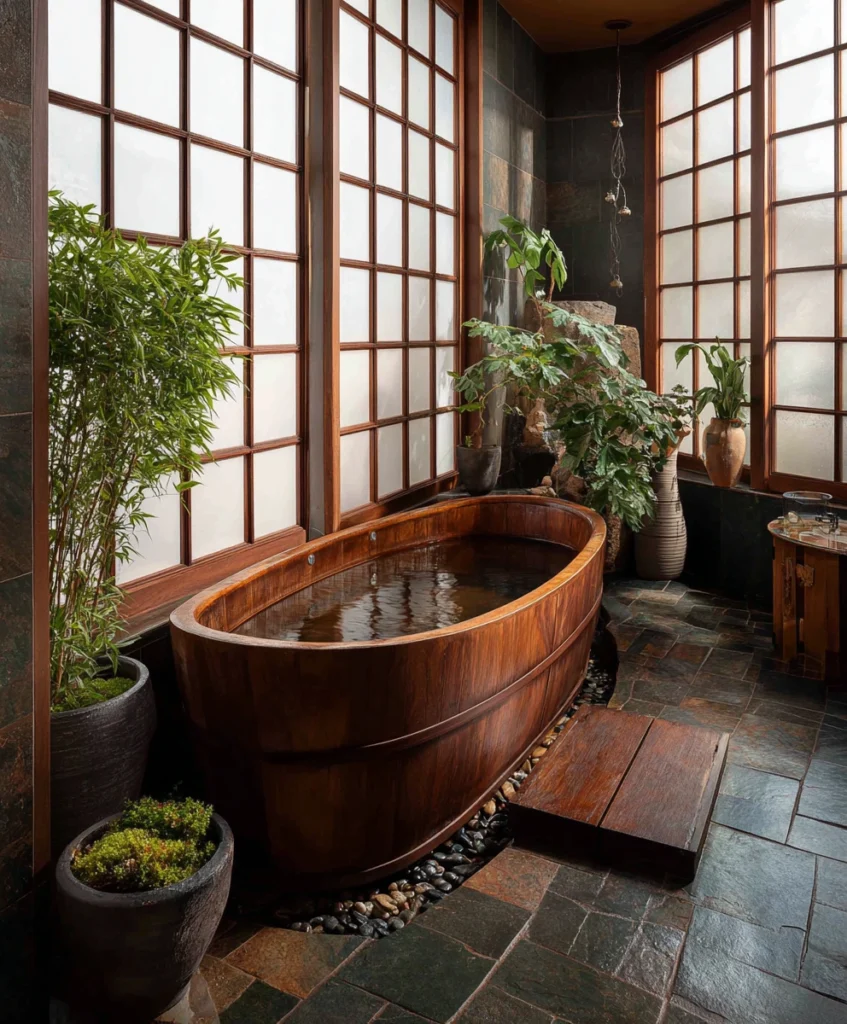
These tubs often come with built-in seating to encourage a meditative bathing experience.
These tubs emphasize relaxation and ritual. I once visited a Japanese-style spa and loved how the tub encouraged slowing down. The water stayed warm longer due to the smaller footprint and deeper design.
Japanese-style bathtubs are an excellent choice for homeowners who want a mindful bathing experience without needing a huge bathroom.
Pros:
- Compact yet deep
- Perfect for mindful bathing
- Space-saving design
Cons:
- Not ideal for shower combos
- Limited availability in some markets
Undermount Bathtubs: Sleek and Seamless
Undermount bathtubs install beneath a rim or deck, creating a seamless transition with the surrounding surface.
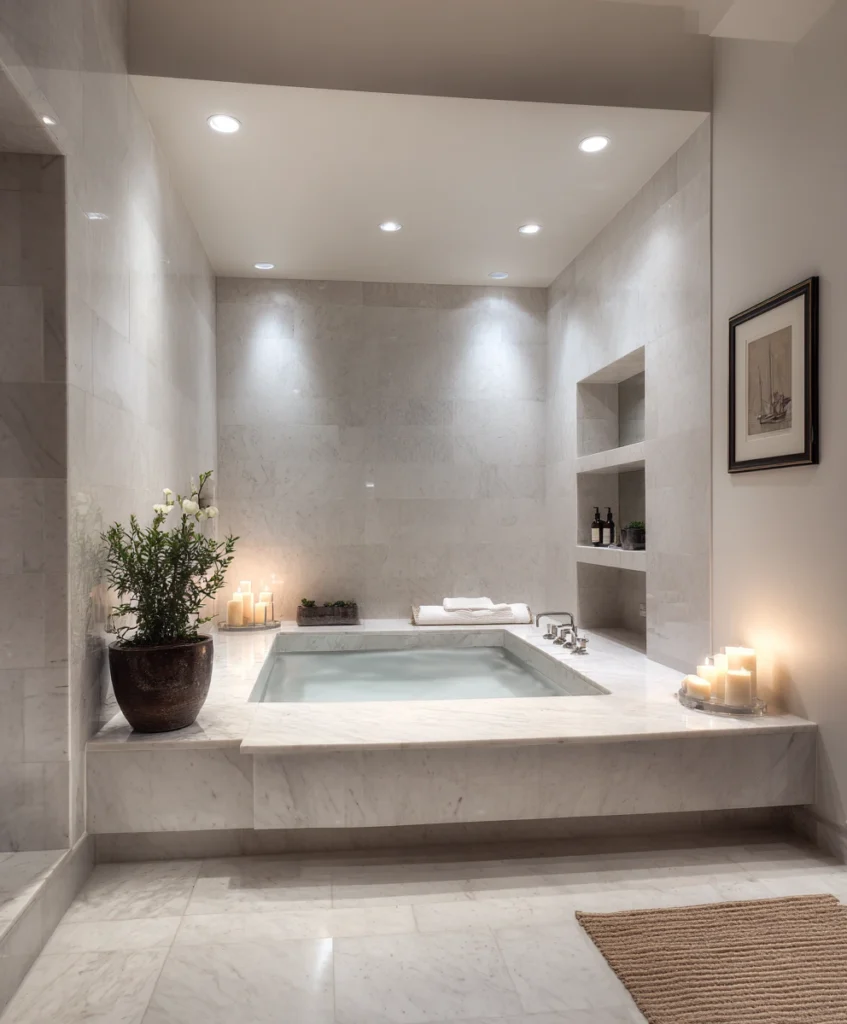
They’re often paired with stone or tile for a polished, minimalist look that complements luxury bathroom design.
I’ve seen undermount tubs in luxury hotels, and they always exude elegance. The clean lines make the bathroom feel more spacious and modern.
However, like drop-in tubs, they require more planning and professional installation. They also work best in larger bathrooms where the design can truly shine.
Pros:
- Clean, seamless design
- Enhances modern bathrooms
- Customizable with different deck materials
Cons:
- More complicated installation
- Requires professional help
Portable Bathtubs: Flexible and Budget-Friendly
Portable bathtubs are lightweight, movable tubs designed for temporary use. They’re often made of durable plastic or inflatable materials.
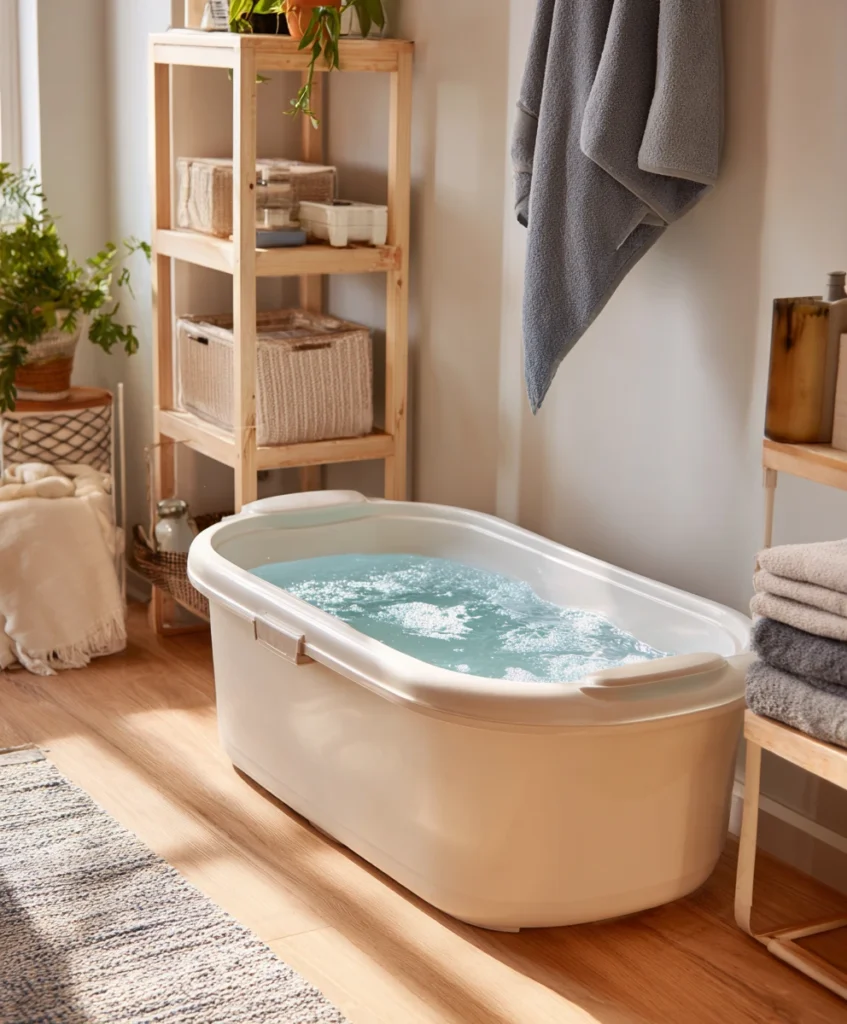
While they may not offer the same luxury as permanent tubs, they deliver convenience and flexibility.
I once used a portable tub while renting a small studio without a built-in bathtub. It was surprisingly effective and budget-friendly.
Portable tubs are also popular for children or even pets, making them versatile for different households. While not a long-term solution, portable tubs offer flexibility for renters or those on tight budgets.
Pros:
- Affordable and portable
- Easy to set up and remove
- Great for temporary spaces
Cons:
- Less durable than permanent tubs
- Limited design options
Conclusion
Choosing the right bathtub depends on your lifestyle, space, and design preferences. From freestanding elegance to compact alcove practicality, the different types of bathtubs each bring something unique to the table.
The key is to match your vision with the type of bathtub that supports your daily life. Think about how you use your bathroom, how much space you have, and what atmosphere you want to create.
Once you know the answer, you’ll be ready to choose a bathtub that turns your bathroom into both a functional space and a personal retreat.