Patio furniture rarely fails all at once. More often, it fades unevenly, rusts at the joints, cracks where weight sits most, or simply starts to look tired long before it should. Many homeowners run into these problems not because they chose the wrong style, but because they chose the wrong patio furniture materials for their climate, lifestyle, and maintenance tolerance.
This article exists for people who want their outdoor furniture to last through real weather, real use, and real life. If you plan to buy or replace patio furniture and care more about durability and value than showroom shine, understanding how different materials behave outdoors will save you money and frustration.
Why Patio Furniture Materials Matter More Than Style
Outdoor furniture lives a harder life than indoor pieces. Sun breaks down finishes, moisture works its way into seams, and temperature swings stress joints and fasteners. A material that looks great on a store floor can struggle once it faces heat, rain, or freezing nights.
The right material choice depends on exposure, usage, and how much upkeep you realistically want to handle. A coastal deck, a shaded backyard, and a rooftop patio all place different demands on furniture. Knowing these differences upfront helps you avoid buying pieces that rust, warp, or fade within a few seasons.
Aluminum: Lightweight, Rust-Free, and Widely Trusted
Aluminum ranks among the best patio furniture materials for long-term outdoor use. Manufacturers favor it because it resists rust naturally, stays lightweight, and handles temperature changes without cracking.
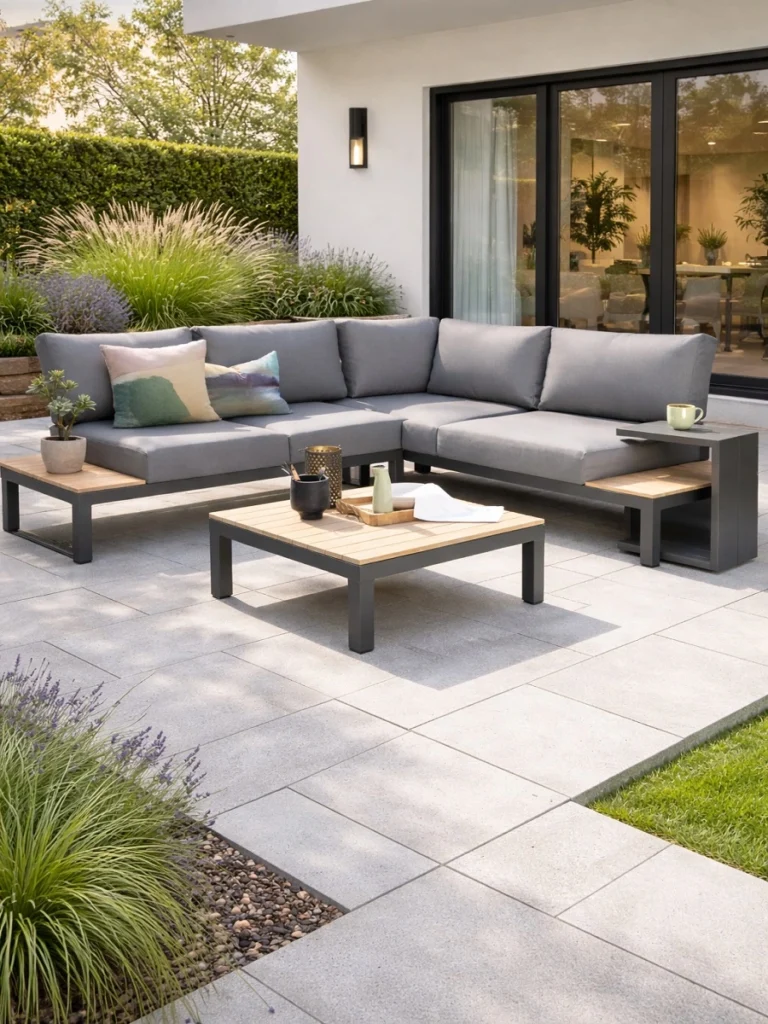
Most aluminum patio furniture uses powder-coated finishes. These coatings protect the metal from oxidation while adding color and texture. When applied well, powder coating holds up better than paint and resists chipping from normal use.
Pros of Aluminum Patio Furniture
- Never rusts, even in humid or coastal environments
- Easy to move and rearrange
- Requires minimal maintenance
- Performs well in hot and cold climates
Cons of Aluminum Patio Furniture
- Feels lighter and less substantial than steel
- Can dent under heavy impact
- Quality varies widely between brands
Best for: Homeowners who want weather-resistant patio furniture with low maintenance demands.
Wrought Iron and Steel: Strong, Heavy, and Weather-Sensitive
Metal furniture often attracts buyers who value strength and classic design. Wrought iron and steel deliver stability and weight, which helps in windy areas. However, these materials require more care to survive outdoors.
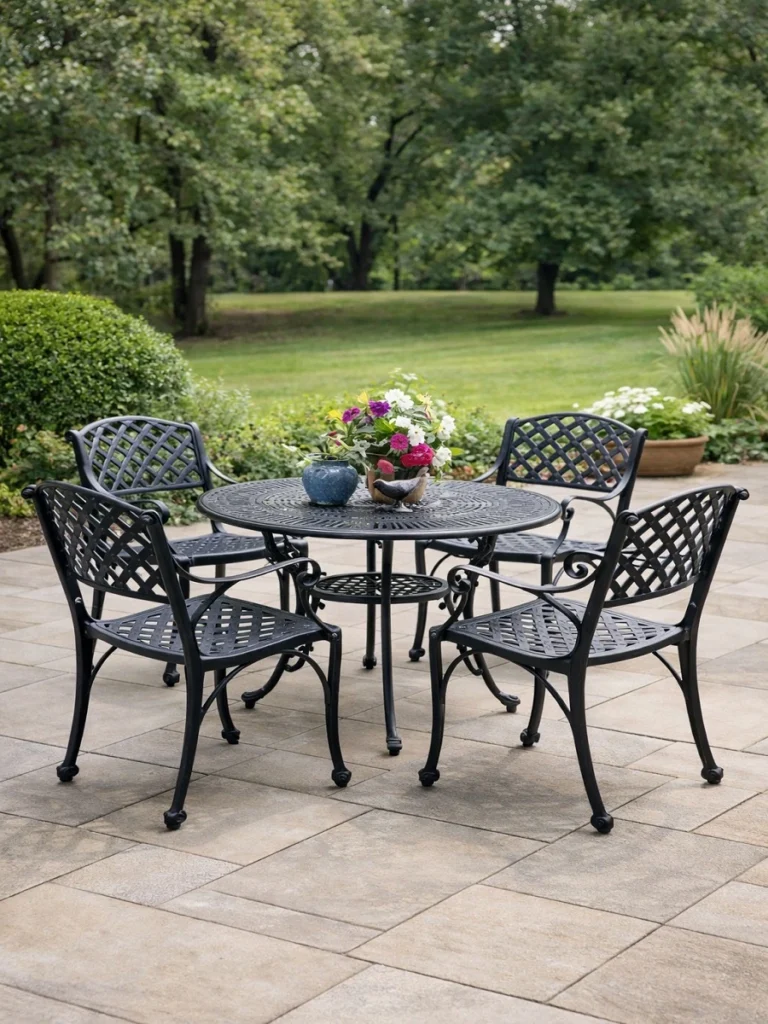
Steel and wrought iron both rust when moisture reaches bare metal. Manufacturers slow this process with coatings, but scratches and chips eventually expose vulnerable areas. Once rust starts, it spreads beneath finishes if left untreated.
Pros of Steel and Wrought Iron
- Extremely durable and heavy
- Stable in windy conditions
- Classic, timeless appearance
Cons of Steel and Wrought Iron
- Prone to rust without maintenance
- Heavier and harder to move
- Heats up quickly in direct sun
Best for: Covered patios or dry climates where furniture stays protected from frequent moisture.
Resin Wicker: A Practical Upgrade from Natural Wicker
Many people love the look of wicker but remember how traditional wicker cracked and unraveled outdoors. Modern resin wicker solves most of those issues by using synthetic fibers designed for exterior use.
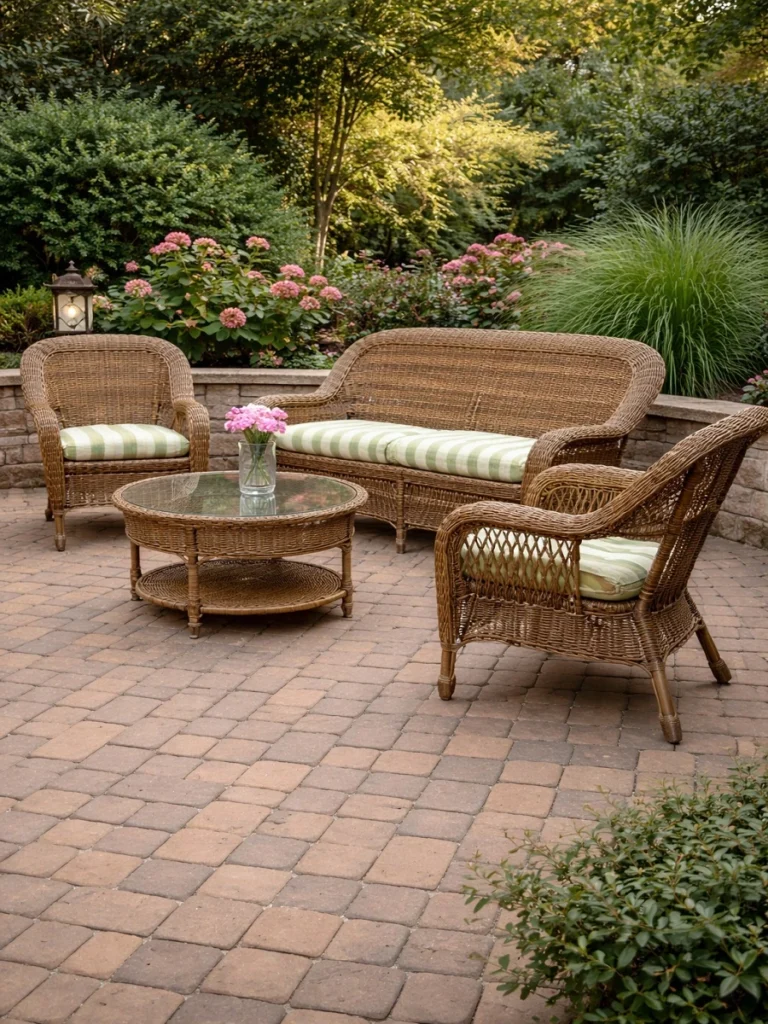
High-quality resin wicker resists UV damage, moisture, and temperature swings. Cheaper versions may fade or become brittle over time, so construction quality matters more than appearance alone.
Aluminum vs Wicker Outdoor Furniture
- Aluminum offers cleaner lines and lighter weight
- Resin wicker provides warmth and texture
- Both resist rust and moisture when well-made
Pros of Resin Wicker
- Weather-resistant and flexible
- Comfortable without cushions
- Works well in both sun and shade
Cons of Resin Wicker
- Quality varies significantly
- Can sag if frames lack support
- Repairs prove difficult once fibers break
Best for: Buyers who want comfort and style without the upkeep of natural materials.
Teak and Hardwood: Beautiful, Durable, and Honest About Maintenance
Wood furniture brings warmth that metal and synthetic materials struggle to match. Teak, eucalyptus, and acacia dominate outdoor furniture because they contain natural oils that resist moisture and insects.
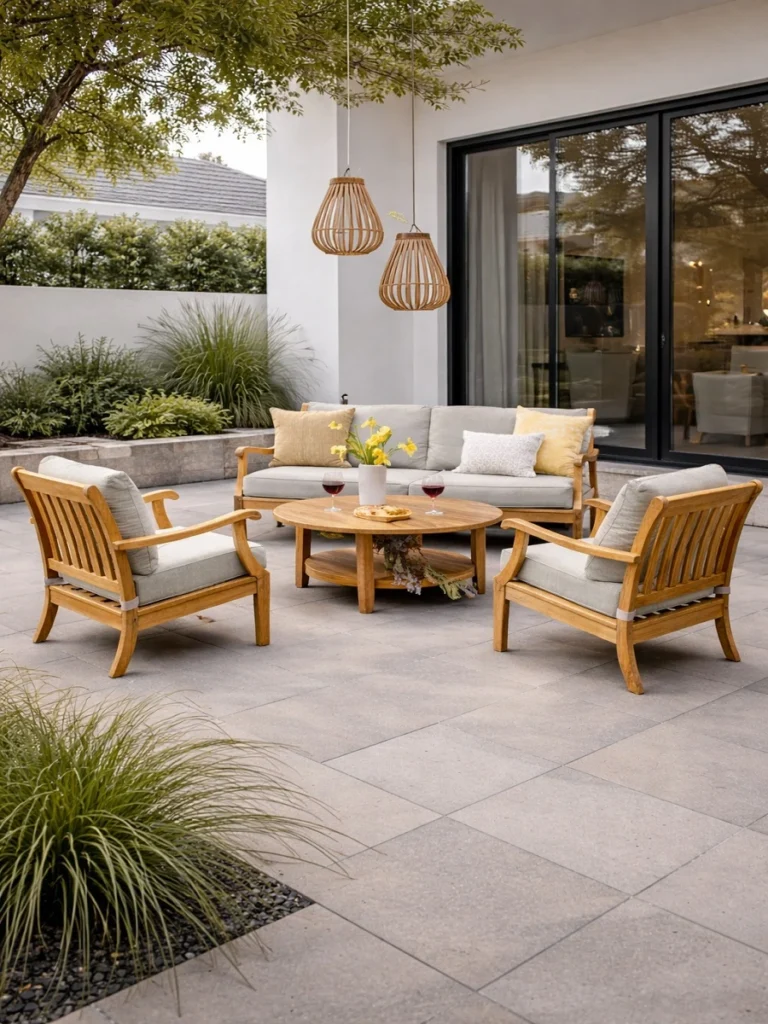
Teak stands at the top for durability. Left untreated, it weathers to a silvery gray without structural damage. Treated regularly, it maintains a rich golden tone. Other hardwoods cost less but require more consistent sealing to prevent cracking.
Wood vs Metal Patio Furniture
- Wood feels warmer and softer to the touch
- Metal lasts longer with less routine care
- Wood demands seasonal attention
Pros of Wood Patio Furniture
- Naturally strong and stable
- Ages gracefully when maintained
- Comfortable in all temperatures
Cons of Wood Patio Furniture
- Requires regular cleaning and oiling
- Costs more upfront for quality species
- Vulnerable to neglect
Best for: Homeowners who enjoy seasonal maintenance and value natural aesthetics.
Plastic and Poly Lumber: Budget-Friendly and Surprisingly Durable
Plastic patio furniture has improved dramatically over the years. Basic molded plastic still fades and cracks under sun exposure, but poly lumber changes the equation.
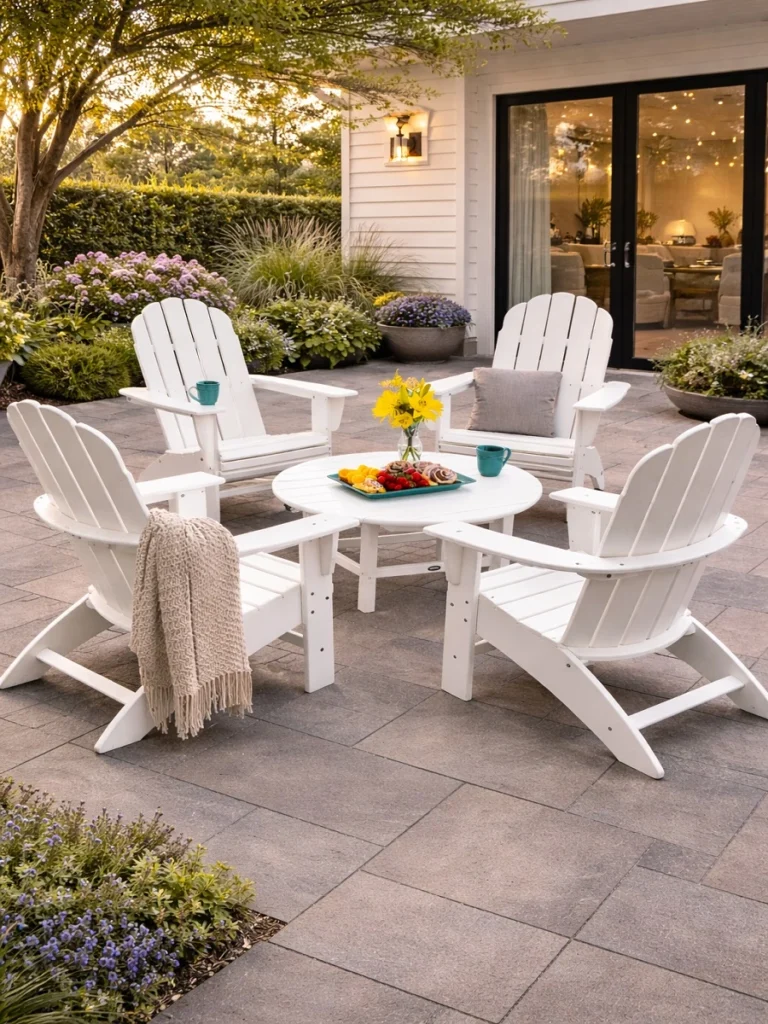
Manufacturers create poly lumber from recycled plastics, forming dense boards that mimic wood grain. These boards resist moisture, insects, and UV damage better than traditional plastic.
Pros of Poly Lumber Furniture
- Extremely weather-resistant
- Never needs painting or sealing
- Often made from recycled materials
Cons of Poly Lumber Furniture
- Heavy compared to aluminum
- Higher upfront cost than basic plastic
- Limited style flexibility
Best for: Buyers who want durable outdoor furniture materials with near-zero maintenance.
Fabric and Cushions: The Weakest Link in Longevity
Frames matter, but fabrics often determine how long furniture looks good. Outdoor cushions face sun, moisture, and spills, making material choice critical.
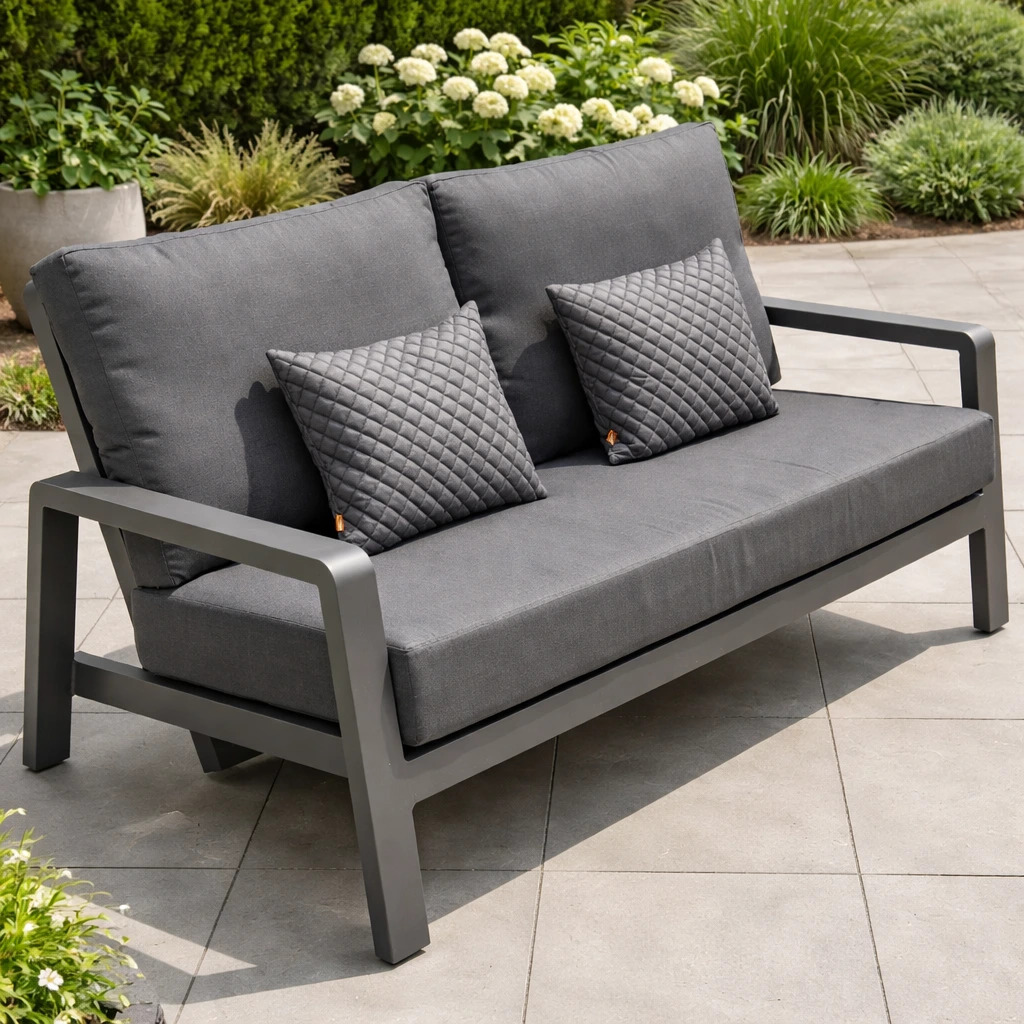
Solution-dyed acrylic fabrics resist fading better than polyester. Quick-dry foam improves comfort while reducing mold risk. Even the best fabrics benefit from storage during extreme weather.
Practical Cushion Tips
- Choose removable, washable covers
- Store cushions when not in use
- Avoid leaving damp cushions overnight
Quick Comparison: Outdoor Furniture Materials at a Glance
| Material | Durability | Maintenance | Best Climate |
|---|---|---|---|
| Aluminum | High | Low | All climates |
| Steel/Iron | High | Medium | Dry or covered |
| Resin Wicker | Medium–High | Low | Mild to moderate |
| Teak | Very High | Medium | All climates |
| Poly Lumber | Very High | Very Low | All climates |
How Climate Should Guide Your Decision
Local weather plays a larger role than most buyers expect. Humidity accelerates rust. Strong sun fades finishes. Freezing temperatures stress joints and fasteners.
If you live near the coast, avoid untreated steel. In hot, sunny regions, prioritize UV resistance. In colder areas, flexible materials handle freeze-thaw cycles better than rigid ones.
Common Buying Mistakes to Avoid
Many furniture failures stem from mismatched expectations. Buyers often underestimate maintenance or overestimate material durability.
Avoid these mistakes:
- Choosing steel without a plan for rust prevention
- Buying cheap wicker without checking frame quality
- Assuming all wood performs like teak
- Ignoring fabric quality
Choosing the Best Patio Furniture Materials for Your Home
No single material works for everyone. The best patio furniture materials align with how you actually use your space, not how a catalog photo looks.
Ask yourself how often you want to clean, move, or store furniture. Consider who uses it, how exposed it stays, and how long you want it to last. Honest answers lead to better purchases.
Final Thoughts: Buy for Real Life, Not the Showroom
Outdoor furniture should support your lifestyle, not add stress or extra chores. When you understand how materials behave outdoors, you gain control over durability, maintenance, and long-term value.
Use this guide as a planning tool before you buy. Measure your space, assess your climate, and choose materials that work with your habits. Your future self will thank you when your furniture still looks solid years down the line.