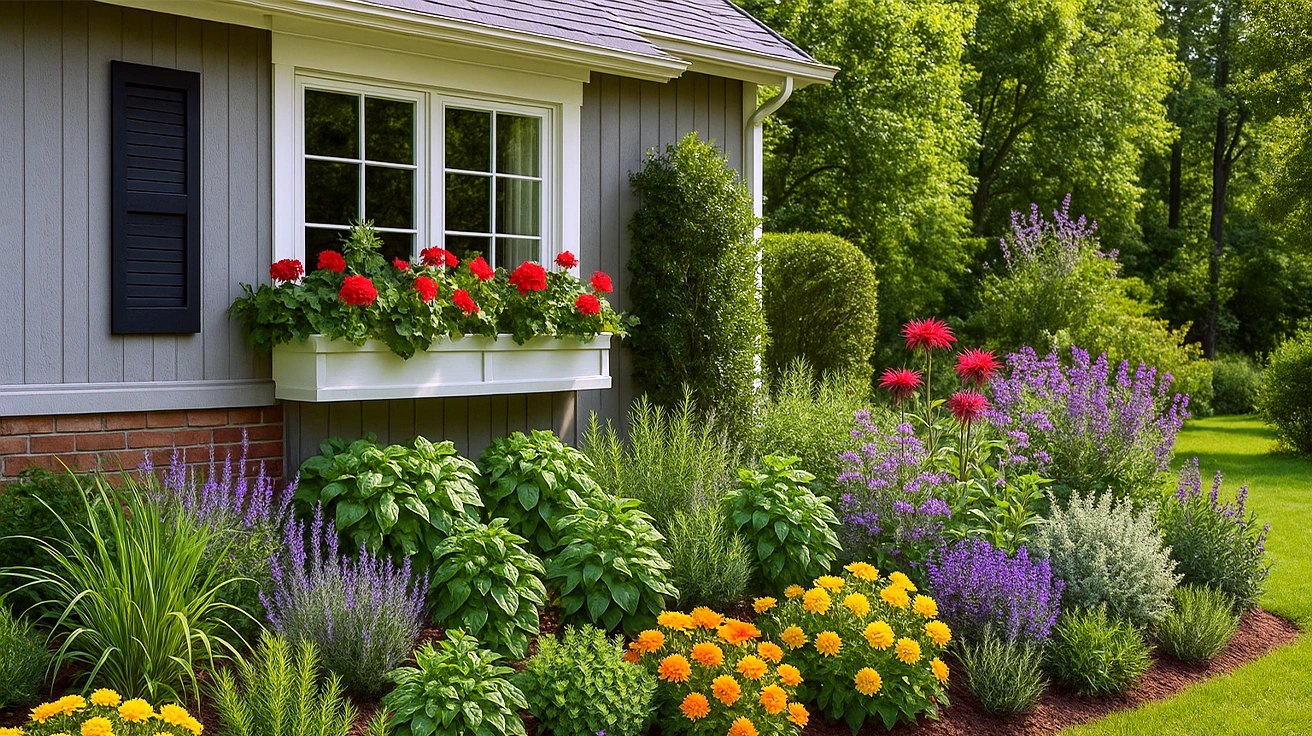
Drought tolerant plants are perfect for gardeners who want beauty without constant watering. These plants thrive in hot, dry conditions. They save water, reduce maintenance, and bring long-lasting color to your garden.
With climate change and water restrictions, choosing the right plants is more important than ever. Drought-tolerant gardens not only survive but flourish with less effort.
Whether you’re in a dry climate or want to conserve water, these choices work beautifully. Let’s explore the top 15 drought-tolerant plants for a stunning, low-maintenance garden.
Lavender (Lavandula spp.)
Soft purple blooms and silvery foliage make this drought-tolerant herb a standout in any garden. Lavender thrives in sunny spots and poor, well-drained soil.
Once established, it requires very little water or attention. Its fragrant leaves and flowers attract bees, butterflies, and other pollinators. The plant handles heat and drought with impressive ease.

Lavender fits beautifully in borders, containers, or xeriscapes. Prune it gently after flowering to maintain shape and encourage growth. Its blooms also repel pests and provide material for sachets and teas.
With beauty, fragrance, and resilience, this plant is a favorite for low-maintenance gardeners.
Sedum (Sedum spp.)
Thick, fleshy leaves and star-shaped flowers make sedum a striking, low-maintenance option for dry gardens. This hardy succulent stores water in its leaves, helping it survive hot, dry spells.
It thrives in poor soil and full sun without needing extra care. Once planted, sedum spreads easily and covers ground with minimal effort.

Use it as a groundcover, in containers, or along borders and rock gardens.
Sedum blooms from summer into fall, attracting pollinators throughout the season. Its color and texture vary across varieties, offering creative flexibility.
Blanket Flower (Gaillardia spp.)
Bright, daisy-like blooms in fiery reds, oranges, and yellows make blanket flower a garden favorite. This hardy perennial thrives in full sun and poor, dry soil.
Blanket flower blooms all summer long, even during intense heat and drought. Its vibrant flowers attract bees, butterflies, and other pollinators daily.

This plant requires little watering once established and resists most pests and diseases. Deadheading encourages even more blooming throughout the season.
Use it in borders, wildflower gardens, or mixed beds for long-lasting color. Its resilience and showy flowers make it ideal for low-maintenance landscapes.
Russian Sage (Perovskia atriplicifolia)
Tall spires of lavender-blue flowers and silvery foliage give Russian sage a graceful, airy presence in the garden. It thrives in dry soil, intense heat, and full sunlight without complaint.
Once established, it rarely needs watering and resists drought effortlessly. Bees and butterflies visit its blooms from mid-summer to fall.

Russian sage works well in borders, cottage gardens, and xeriscapes. Its soft texture contrasts beautifully with bolder plants nearby.
Prune it in early spring to encourage strong new growth. This tough, elegant perennial brings movement, color, and structure to any low-maintenance garden.
Coneflower (Echinacea spp.)
Large, daisy-like blooms with bold centers make coneflowers a staple in water-wise gardens. These perennials tolerate heat, drought, and poor soil with ease.
They bloom from summer into fall and attract pollinators like bees, butterflies, and songbirds. The upright stems hold their color well, even in harsh sun.

Coneflowers work beautifully in borders, pollinator gardens, or as focal points in dry landscapes. Their seed heads feed birds through late fall and winter.
Deadhead for more blooms or leave them for wildlife interest. Hardy, colorful, and dependable, coneflowers are a perfect example of drought tolerant plants.
Yucca (Yucca spp.)
Striking, sword-like leaves and tall flower spikes give yucca a bold, architectural look. This plant thrives in hot, dry conditions and poor soil.
Its deep roots help it store water, making it ideal for drought-prone areas. Once established, yucca survives with minimal watering or attention.

Use it as a dramatic accent in dry borders, rock gardens, or desert-style landscapes. Yucca’s creamy white flowers attract pollinators in summer.
Its evergreen foliage provides structure all year long. Rugged and visually stunning, yucca adds lasting impact to a water-wise garden.
Agave (Agave spp.)
Bold, sculptural rosettes make agave among the standout drought-tolerant plants. Its thick, fleshy leaves store water efficiently.
This desert-native plant thrives in full sun, sandy soil, and intense heat. Once established, agave requires almost no watering or care.

Plant it as a focal point in rock gardens, borders, or dry slopes. Some varieties produce towering flower stalks that attract pollinators.
With sharp symmetry and a tough nature, agave delivers beauty with strength. It’s a perfect match for a dry-climate garden.
California Poppy (Eschscholzia californica)
Bright orange blooms and fine, feathery foliage make California poppy a cheerful presence in dry gardens. This hardy annual thrives in full sun and poor soil.
It needs little water and naturalizes easily, reseeding itself year after year. The blooms close at night and open with the sun.

Use it in wildflower gardens, borders, or gravel beds for a burst of color. California poppy attracts bees and supports pollinators with minimal effort.
It’s low-maintenance, drought-resistant, and full of charm. This flower brings life and light to any dry landscape.
Salvia (Salvia spp.)
Vibrant flower spikes and aromatic foliage make salvia both beautiful and functional in drought-tolerant gardens. This tough perennial thrives in full sun and dry soil.
Salvia resists drought once established and requires very little care. It also attracts bees, butterflies, and hummingbirds throughout the blooming season.

Plant it in borders, pollinator beds, or containers for color and movement. Its blooms range from deep purple to red, blue, and white.
Prune lightly to extend flowering and maintain shape. Hardy and eye-catching, salvia is perfect for any easy-to-manage garden space.
Autumn Joy Sedum (Sedum ‘Autumn Joy’)
Thick, succulent leaves and large, flat flower clusters define Autumn Joy sedum’s easygoing charm. This plant stores water and thrives in dry, sunny spots.
Its pink flower heads bloom in late summer and deepen to rust-red by fall. Pollinators visit regularly, adding life and color.

Use it in borders, rock gardens, or mixed beds for long-season interest. It resists drought, deer, and most pests with ease.
Leave the dried flower heads for winter structure. With minimal care and lasting appeal, Autumn Joy earns its place in every minimal-care garden garden.
Portulaca (Portulaca grandiflora)
Bright, rose-like blooms and succulent leaves make Portulaca a vibrant groundcover for hot, dry spaces. This annual loves full sun and sandy soil.
It thrives in heat and drought, blooming nonstop through summer. The plant forms a dense mat, perfect for borders or containers.

Flowers come in vivid shades of pink, orange, yellow, and red. Bees and small pollinators frequently visit the open blooms.
Water sparingly, and it will reward you with endless color. Portulaca is ideal for effortless, colorful, low-maintenance gardening.
Mexican Feather Grass (Nassella tenuissima)
Soft, wispy blades give Mexican feather grass a graceful, flowing look in dry landscapes. This ornamental grass thrives in full sun and lean soil.
It needs very little water and adds movement with the slightest breeze. Its feathery plumes shimmer in golden light.

Plant it in borders, rock gardens, or as a natural accent. It blends beautifully with bold, structured plants like agave or yucca. Trim it back occasionally to refresh its form.
Elegant and low-effort, Mexican feather grass brings texture and rhythm to drought-tolerant gardens.
Red Yucca (Hesperaloe parviflora)
Long, arching leaves and tall coral-red flower stalks give red yucca a striking presence in water-wise gardens. This tough perennial thrives in full sun and low-water conditions.
Once established, it needs almost no irrigation or maintenance. Hummingbirds flock to its tubular blooms from spring through fall.

Red yucca works beautifully in rock gardens, borders, and desert-style landscapes. Its evergreen foliage adds architectural interest year-round.
This drought-resistant plant resists pests and requires minimal care. With bold beauty and resilience, red yucca enriches any xeriscape design.
Mugwort (Artemisia spp.)
Mugwort offers silvery foliage and a soft, herbal texture perfect for dry habitats. It flourishes in full sun, lean soil, and neglect. This perennial fills borders with its feathery leaves and soft movement. It requires almost no watering once established and resists heat well.

Caution: Mugwort is considered invasive in many areas and illegal to possess, transport, sell or grow in states like New York and Indiana. Other states restrict its sale or planting due to aggressive spread via rhizomes.
Always check local regulations before planting Mugwort. It works best in contained settings or pots to prevent unwanted spread.
Echinops (Globe Thistle)
Steel-blue globe flowers and spiky texture give globe thistle a bold architectural look. This hardy perennial thrives in dry soil and full sun with minimal water.
Echinops’ spherical blooms atop stiff stems attract bees and add sculptural form to gardens. It tolerates heat, drought, and poor soil with ease.

Use globe thistle in borders, rock gardens, or as a striking accent plant. Its dried seed heads add winter interest long after blooms fade. Deer and rabbits typically avoid it, keeping your garden protected.
With low water needs and bold design, globe thistle excels in low-maintenance, drought-tolerant landscapes.
Conclusion: Creating Your Sustainable Garden Oasis
Designing a stunning, low-maintenance garden doesn’t require constant watering or rich soil, just smart plant choices.
The drought tolerant plants featured in this guide prove that you can have vibrant color, texture, and year-round interest with minimal upkeep.
Whether you live in a dry climate or simply want to conserve water, these resilient plants are the key to a sustainable outdoor space.
They’re tough, beautiful, and hardworking; perfect for gardeners who want more with less. Choose your favorites, get planting, and enjoy a thriving garden that doesn’t rely on the hose.