Have you ever opened your winter utility bill and felt that shock of seeing how much it costs to stay warm? You’re not alone. Heating accounts for nearly 30% of a typical American household’s energy expenses.
The good news is that energy-efficient home heating can drastically cut those costs while keeping you perfectly cozy all season long.
Energy-efficient home heating isn’t just about saving money; it’s about comfort, sustainability, and smarter living.
Whether you live in a modern home or a century-old charmer, understanding the best heating solutions can transform the way your home feels and functions.
Why Energy Efficiency Matters in Home Heating
Home heating is a major player in both your household expenses and your carbon footprint. An inefficient system wastes fuel and money, while an energy-efficient one converts most of its fuel into usable heat.
Understanding the AFUE Rating
AFUE (Annual Fuel Utilization Efficiency) tells you how well your furnace or boiler converts fuel into heat. A system with a 95% AFUE rating means 95 cents of every dollar goes toward heating your home, while only 5 cents is wasted.
Quick Breakdown:
- Older furnaces: 56–70% AFUE
- Standard models: 80–85% AFUE
- High-efficiency systems: 90–98% AFUE
If your furnace is over 15 years old, upgrading to a high-efficiency model can cut heating costs by up to 30%.
Real-Life Example
When I replaced my outdated furnace with a 96% AFUE system, my gas bill dropped by almost a third. The home felt warmer, more evenly heated, and quieter. The difference was immediate.
Smart Thermostats: The Brain Behind Modern Heating
Technology has transformed home heating. Smart thermostats are one of the easiest ways to improve energy efficiency without replacing your whole system.
Smarter Control, Bigger Savings
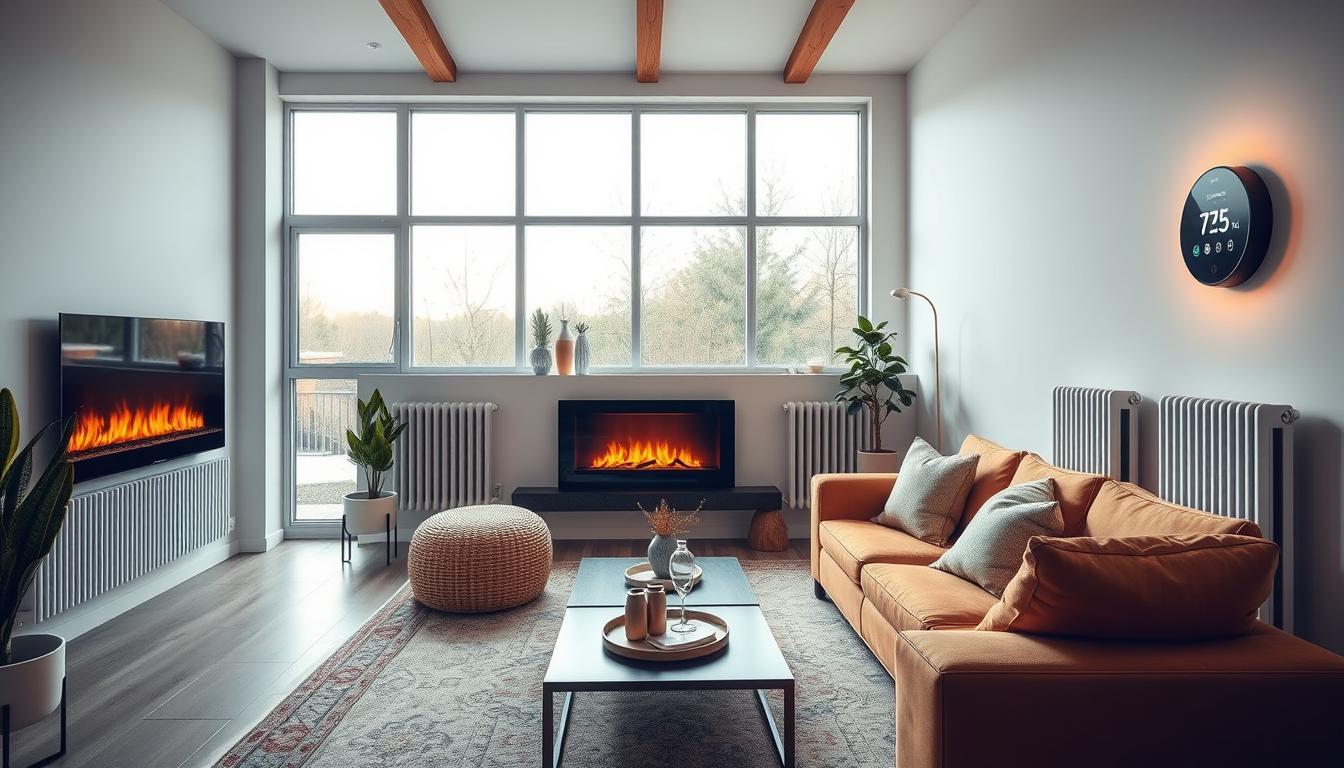
A smart thermostat learns your daily habits and automatically adjusts temperatures for maximum comfort and efficiency. It knows when you’re home, asleep, or away—cutting down on wasted energy.
Benefits of Smart Thermostats:
- Remote control from your smartphone or tablet
- Energy reports that show exactly where you can save
- Compatibility with voice assistants like Alexa or Google Home
Many homeowners see annual savings of $150–$200 after installing one.
Pro Tip
Pairing your smart thermostat with a high-efficiency furnace or heat pump multiplies the savings. You’ll not only reduce your bills but also extend the lifespan of your HVAC equipment.
High-Efficiency Furnaces and Heat Pumps: Smarter Systems for Every Climate
If you live in a region with cold winters, your heating system works hard. That’s why choosing energy-efficient equipment is key.
High-Efficiency Furnaces
Modern furnaces with AFUE ratings above 90% use sealed combustion and variable-speed fans. This design minimizes waste and maintains steady temperatures throughout your home.
Pros:
- Converts more fuel into heat
- Quieter operation
- Consistent comfort
Cons:
- Higher upfront cost
- Requires professional installation
Heat Pumps: All-in-One Efficiency
Heat pumps are the rising stars of energy-efficient home heating. Instead of generating heat, they transfer it—providing warmth in winter and cooling in summer.
Types of Heat Pumps:
- Air-source heat pumps: Best for moderate climates; can reduce electricity use by 50%.
- Ground-source (geothermal) heat pumps: Ideal for long-term savings; incredibly efficient even in extreme cold.
Quick Tip: Many states offer tax incentives and rebates for installing heat pumps, which can offset the initial cost.
Radiant Floor Heating: Warmth from the Ground Up
Few things feel as luxurious as stepping onto a warm floor on a chilly morning. Radiant floor heating isn’t just about comfort—it’s one of the most energy-efficient home heating methods available.
How It Works
Hydronic systems pump warm water through tubes under your floor, evenly distributing heat from the ground up. Electric radiant mats offer a similar effect for smaller spaces like bathrooms.
Advantages:
- Even heat distribution—no cold spots or drafts
- Operates at lower temperatures, saving energy
- Improves indoor air quality by reducing dust circulation
While installation costs are higher ($6–$20 per square foot), radiant systems are low-maintenance and can last over 30 years.
Renewable Heating: Solar and Geothermal Systems
If sustainability is part of your lifestyle, renewable heating options might be worth considering.
Solar Thermal Heating
Solar thermal systems use sunlight to heat water or air for your home. They can cover up to 60% of your heating needs, especially in sunny regions.
Benefits:
- Significant long-term savings
- Low environmental impact
- Eligible for up to 30% federal tax credit
Geothermal Heating
Geothermal systems draw stable temperatures from the earth to heat and cool your home. Though installation costs are higher, they can reduce energy use by up to 75%.
Lifespan Comparison:
| System Type | Average Lifespan | Energy Savings |
|---|---|---|
| Furnace | 15–20 years | 20–30% |
| Air-source heat pump | 15 years | 40–50% |
| Geothermal heat pump | 25+ years | 50–75% |
Insulation and Air Sealing: The Unsung Heroes of Efficiency
Even the best heating system can’t perform well in a drafty home. Proper insulation and air sealing are the foundation of energy-efficient home heating.
Key Strategies for Energy Savings
- Seal air leaks: Check windows, doors, and attic hatches for gaps.
- Add insulation: Focus on attics, basements, and crawl spaces.
- Upgrade windows: Double or triple-pane windows prevent heat loss.
According to the Department of Energy, proper insulation can reduce heating costs by up to 20%.
Personal Insight
When I sealed my basement and added insulation in the attic, the house became instantly quieter and warmer. The furnace no longer ran constantly, and my energy bill dropped noticeably.
Biomass and Alternative Heating Options
If you prefer renewable energy but solar or geothermal installations aren’t practical, biomass heating might be the solution.
How Biomass Heating Works
Biomass systems burn organic materials like wood pellets or agricultural waste to create heat. Modern pellet boilers can reach up to 95% efficiency.
Pros:
- Renewable, carbon-neutral fuel
- Lower long-term heating costs
- Works well in rural areas
Cons:
- Requires storage space for pellets
- Regular maintenance needed
In many states, incentives help offset installation costs, making biomass a practical green choice.
The Role of Home Automation in Energy Efficiency
Smart homes aren’t just futuristic—they’re efficient. When your thermostat, lights, and blinds work together, your home becomes a finely tuned comfort machine.
Examples of Automation in Action:
- Lights dim automatically when heating demand increases.
- Window shades close at night to keep warmth in.
- Smart plugs cut power to unused appliances, reducing phantom loads.
The result? Seamless comfort with less energy waste.
Making the Switch: Costs and Payback
Energy-efficient home heating systems may seem expensive upfront, but the payback period is often short thanks to lower bills and incentives.
Estimated Payback Periods:
| System | Average Cost | Annual Savings | Payback Period |
|---|---|---|---|
| High-efficiency furnace | $5,000 | $500 | 10 years |
| Air-source heat pump | $6,000 | $700 | 8 years |
| Geothermal heat pump | $15,000 | $1,500 | 10 years |
Many homeowners recoup their investment faster through rebates and energy credits.
Conclusion: Warmth That Works for You—and the Planet
Energy-efficient home heating is about more than lowering your energy bill—it’s about creating a comfortable, sustainable home that reflects your values. From smart thermostats to radiant floors and renewable systems, there’s a solution for every home and every budget.
When you invest in energy efficiency, you’re choosing warmth that pays off—in savings, comfort, and a lighter carbon footprint. So the next time you adjust your thermostat, think of it as a small step toward a smarter, cozier, and more sustainable home.