Open Shelving vs. Traditional Cabinets: Which Storage Style Best Suits Your Kitchen?
You stand in the kitchen every day, so the storage you choose should pull its weight and spark a smile. If you keep searching “open shelves vs cabinets” and can’t decide, you’re not alone.
I’ll help you sort the trade-offs, call the wins, and pick a setup that fits your home, your habits, and your style.
The quick take: who wins when?
Open shelves shine when you love a light, airy look and reach for the same items all day. Traditional cabinets win when you want maximum hidden storage and a tidy backdrop.
A hybrid layout often beats either choice by itself. You will likely land on “open shelves vs cabinets” as a both/and decision, not an either/or.
What each option actually means
Open shelving, defined
Open shelving uses wall-mounted shelves without doors. You see everything at a glance and grab dishes in one motion.

You style the shelves like décor, and you turn everyday items into design moments.
Traditional cabinets, defined
Traditional cabinets use boxes with doors and drawers. You choose face-frame or frameless construction, and you pick door styles that range from slab to shaker. You tuck away visual noise and keep the kitchen looking calm.
Style and mood: how each changes the room
The look and feel of open shelving
Open shelves lighten visual weight and pull your eye upward. They add rhythm to a backsplash and let textures sing, think stoneware, wood, and glass. They create a lived-in vibe that designers call warm and approachable.
The classic appeal of cabinets
Cabinets frame the room with strong lines and consistent finishes. They anchor the space and deliver a timeless backdrop for counters and appliances. They play well with any style, from modern to farmhouse to traditional.

The hybrid sweet spot
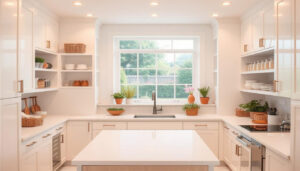
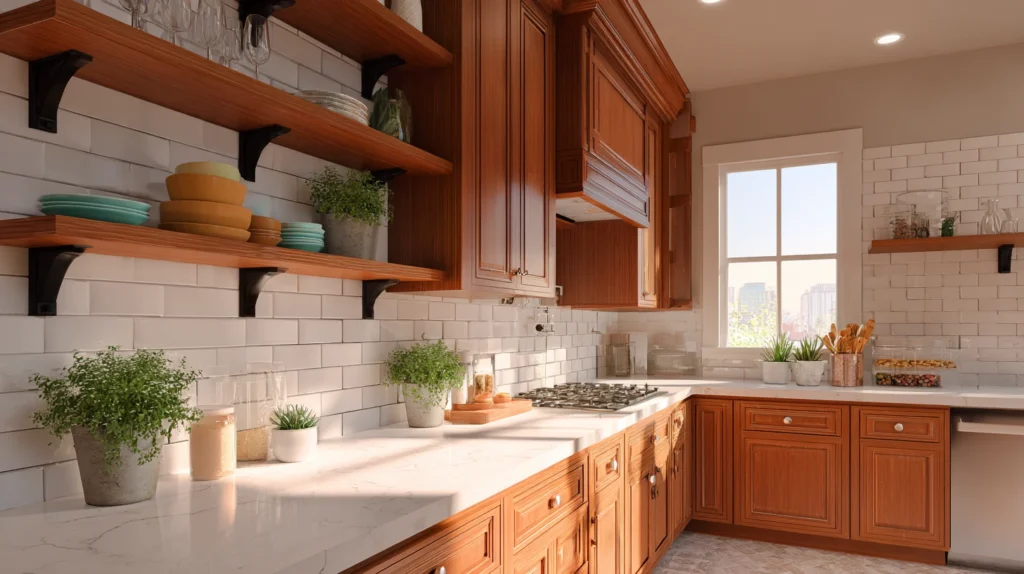
Most kitchens look best with a mix. You might run open shelves on either side of the range and use closed uppers everywhere else. You keep the easy access and display benefits while your cabinets handle the heavy lifting.
Function first: daily usability and storage capacity
What open shelves do best
Open shelves put everyday plates, bowls, and glasses within arm’s reach. They turn meal prep into a smooth flow because you skip door swings and extra motions. They also make it easier for guests to help without asking where things live.
Where cabinets take the lead
Cabinets carry bulkier loads and awkward items like small appliances and stockpots. They keep kids’ cups, pet supplies, and snack bins hidden but accessible. They also support pull-outs, dividers, and organizers that multiply usable space.

A realistic capacity check
Measure what you own before you choose. You stack dishes differently on open shelves than inside cabinets, and you need sturdy brackets for heavy loads. You gain speed with shelves, but you often gain raw cubic footage with boxes and doors.
Cost and budgeting realities
In the open shelves vs cabinets equation, cabinets carry added costs; boxes, doors, hardware, and labor, so they often run higher than simple shelves. Choosing quality floating shelves can cut material and installation time.
Conversely, a splurge on solid wood shelving and custom brackets can bring the total close to the price of basic upper cabinets.
I view budget through priorities. If you want a major visual refresh for less, open shelving stretches dollars.
If you want long-term durability and resale confidence, well-built cabinets return value year after year. The “open shelves vs cabinets” choice often balances first-cost savings with lifetime satisfaction.
Cleaning and maintenance: the honest truth
Keeping open shelves clean
Open shelves gather dust and a fine mist of cooking residue. You keep them fresh by placing them away from the heaviest grease zones or by upgrading your vent hood. You also rinse and rotate visible items regularly, which keeps the whole display crisp.
Maintaining cabinets without fuss
Cabinet faces wipe down easily with a mild cleaner. You preserve the finish by skipping harsh abrasives and using soft cloths. You occasionally adjust hinges and handles to keep doors aligned and quiet.
A simple rule that helps
Store what you use often on open shelves and stash the rest behind doors. You clean what you handle anyway, and you protect seldom-used items from dust. You keep the look beautiful without turning shelf care into a chore.
Safety, durability, and family life
Households with kids, pets, or fast-paced mornings need predictable storage. You keep fragile items out of reach behind doors and place daily dishes up front. You bolt shelves into studs, choose substantial brackets, and respect weight ratings.
If you rent, you face limits on wall changes and drilling. You can use freestanding shelving or a short run of shelves in areas with existing anchors. You still get the open look without risking a security deposit.
Resale value and buyer perception
Most buyers in the U.S. still expect upper cabinets in a kitchen. You can stand out with tasteful open shelves, but you may spook buyers if you remove too many uppers. You fix that risk with a hybrid plan that includes at least one wall of closed storage.
If you plan to sell in a few years, you should treat “open shelves vs cabinets” as a shopper’s first impression test. You deliver a kitchen that looks current, functions well, and offers clear storage solutions. You help buyers picture an easy move-in.
Layout and room size: where each option fits
Small kitchens
Small rooms benefit from lighter sight lines. You run a short stretch of open shelves near the sink for daily glasses and bowls. You keep closed uppers above appliances and in corners to capture every inch of storage.
Large kitchens
Big rooms carry both approaches with ease. You frame the range with symmetrical shelves and finish the run with glass-front or solid-door cabinets. You add a tall pantry wall to hide bulk goods and small appliances.
Ceilings, windows, and traffic
Ceiling height and window placement steer your choice. You end shelves cleanly at window trim and avoid crowding. You also check door swing clearances near corners so traffic moves without bumps or pauses.
Materials and finishes that earn their keep
For open shelves
Choose solid wood for warmth, plywood with edge banding for stability, or metal for an industrial edge. Seal wood so it resists moisture and stains. Specify brackets or hidden supports rated for the load you plan to carry.
For cabinets
Select durable boxes in plywood or high-quality furniture board. Pick doors in solid wood, MDF with a resilient paint, or thermofoil for easy cleaning. Match hardware to your use patterns; pulls for drawers, knobs for doors, and soft-close hinges for quiet.
Finishes that work hard
Select satin or matte sheens to hide fingerprints. Repeat metal finishes across brackets, pulls, and lighting for cohesion. Frame the composition with backsplash tile to avoid random visual breaks.
Style playbook: make the space feel intentional
Open shelves that look styled, not cluttered
Group items by color and height. Mix everyday white dishes with a few character pieces like a vintage bowl or a textured vase. Leave breathing room; negative space signals confidence.
Cabinets that read custom
Vary door styles strategically, glass-front uppers over a coffee zone work beautifully. Add crown or light-rail molding to finish edges cleanly. Install interior lighting to highlight glassware without revealing the entire pantry.
The hybrid look that designers love
Build a focal wall with shelves and anchor the rest with cabinets. Balance wood shelves against painted lower cabinets for contrast. Aim for a curated composition rather than a happy accident, this is where open shelves vs cabinets truly complement each other.
Organization strategies that keep you sane
With open shelving
Place daily plates, bowls, and glasses on the lowest shelves. Decant dry goods into airtight, labeled containers only if you use them often. Keep heavy items close to the brackets and stay within safe load limits.
With cabinets
Install pull-outs for pots and pans and tray dividers for baking sheets. File cutting boards vertically to save space. Dedicate a drawer to lunch prep or coffee gear so routines stay smooth.
A simple weekly reset
Schedule a five-minute Sunday reset for shelves and drawers. Return items to their zones and remove anything that drifted. Keep the open shelves vs cabinets system humming without a marathon clean-out.
Sustainability and healthier choices
Choose sustainably sourced wood or reclaimed boards for shelves. Pick low- or no-VOC finishes for cabinet paints and sealers. Extend the life of both by ventilating well, cleaning gently, and fixing small issues early.
Shop local for custom pieces to reduce shipping miles. Donate removed cabinets to a reuse center instead of sending them to a landfill. Make design decisions that look good and do good.
A practical decision framework
Step 1: List your daily habits
Write down what you reach for every morning and every night. Note how many plates, bowls, and glasses you use each day. Mark the items that deserve the open-shelf spotlight.
Step 2: Audit your storage needs
Measure your biggest pans, appliances, and serving platters. Count pantry items that need closed storage. Compare the list to the linear feet of wall space you can dedicate to each approach.
Step 3: Map your layout
Sketch the walls and place the sink, range, and fridge. Position shelves near the sink or breakfast zone for speed. Assign cabinets to corners, appliance garages, and pantry runs.
Step 4: Choose your blend
Decide on the percentage split that fits your life, not a trend. Land on 30% open and 70% closed, or flip it if you own less. Let habits drive the open shelves vs cabinets ratio.
Real-world scenarios you can model
The busy family kitchen
Keep closed uppers for snack bins and plastic containers. Add a two-shelf run near the dishwasher for everyday dishes. Protect morning speed while you hide the chaos.

The entertainer’s kitchen
Float wide wood shelves around the range for glassware and serving pieces. Back them with tile for drama and easy cleaning. Reserve a tall cabinet wall for appliances, linens, and bar tools.
The minimalist city kitchen
Limit upper cabinets to one wall and run a single open shelf above the sink. Choose integrated pulls and slab doors for a sleek line. Use under-cabinet lighting to brighten the work zone.
Common mistakes to avoid
Avoid overloading shelves with rarely used items that collect dust. Keep open shelves away from high-heat zones unless you have strong ventilation. Resist the urge to remove every upper cabinet and then regret the lost pantry space.
Add blocking for shelf brackets instead of relying on drywall anchors. Maintain consistent metal finishes so the palette feels intentional. Design with purpose and detail; open shelves vs cabinets works best when every element earns its place.
FAQs: quick answers people search for
Are open shelves cheaper than upper cabinets?
Open shelves often cost less because you buy fewer materials and pay for simpler installation. You can narrow the gap with premium wood and heavy-duty brackets. You can also exceed cabinet costs if you choose long spans and custom metalwork.
Do open shelves make kitchens look bigger?
Open shelves reduce visual bulk and let walls breathe. They can make a small kitchen feel wider and taller. They work best when you keep them edited and cohesive.
Will open shelves get greasy?
Shelves near the range pick up residue over time. You limit that issue with a strong vent hood and sensible placement. You also keep frequently used items on those shelves, which you wash often anyway.
What can I store on open shelves?
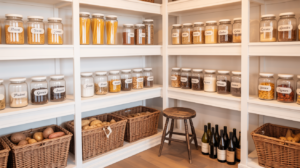
Everyday dishes, mugs, glasses, and attractive pantry jars belong on open shelves. Heavy appliances and pantry overflow belong behind doors. You balance beauty with practicality.
How many open shelves feel right?
Most kitchens look balanced with one or two runs of open shelves. Long walls can handle three, but the room still needs anchors in the form of cabinets. You step back and judge the composition as a whole.
A sample shopping checklist
- Shelves: material, thickness, length, finish, and load rating.
- Brackets/Hardware: visible or hidden, spacing, wall blocking, and screws.
- Cabinets: box construction, door style, finish, and hinge quality.
- Organization: pull-outs, dividers, bins, and label system.
- Ventilation & Lighting: hood capacity, task lights, and dimmers.
You buy once and buy smart, so your choices age well and work hard.
The bottom line
The smartest kitchens don’t treat open shelves vs cabinets like a rivalry. They treat both as tools and use the right one for the job. Open shelves deliver speed, style, and lightness. Cabinets deliver capacity, calm, and long-term order.
You know your habits, your family, and your taste. You can sketch a hybrid plan that shows off what you love and hides what you don’t.
If you feel ready, pick one wall to open up and keep the rest closed, then live with the mix for a month. You will feel the right balance fast, and your kitchen will look and work better every single day.