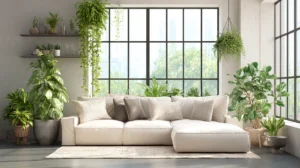
Top 15 Low Maintenance Pet-Friendly Indoor Plants.
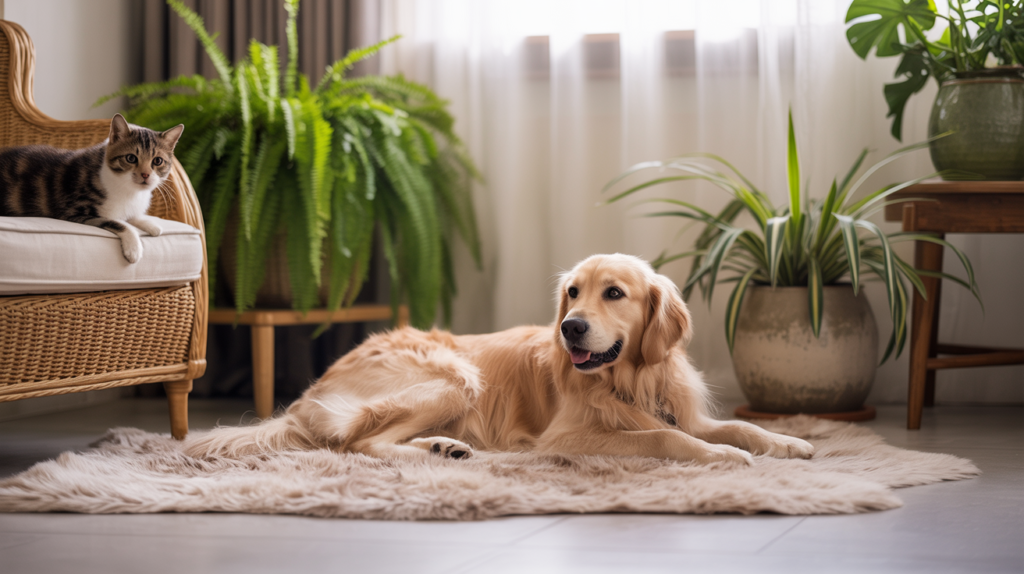
Creating a home filled with greenery feels wonderful, but as a pet owner, the safety of your furry companions always comes first.
I remember the first time I caught my curious cat nibbling at a houseplant, it scared me into researching which plants were safe and which ones could cause harm.
That moment pushed me to learn about pet friendly indoor plants that not only make a home more beautiful but also keep pets safe. If you’ve ever worried about balancing a love for plants with the safety of your dogs and cats, this guide is for you.
Why Pet-Friendly Indoor Plants Matter
Pets love to explore, sniff, and sometimes chew on leaves. Unfortunately, many popular indoor plants contain toxins that can harm cats and dogs. Symptoms can range from mild irritation to serious illness.
Choosing pet friendly indoor plants means you can enjoy a green, fresh space without the constant fear of accidental poisoning.
Common Reasons Plants Harm Pets
- Some contain calcium oxalates that irritate the digestive system.
- Others have alkaloids that affect a pet’s nervous system.
- Even a small nibble can lead to vomiting, drooling, or worse.
Resources for Pet Owners
The ASPCA maintains a thorough plant database that lists toxic and non-toxic varieties. It’s an excellent reference to use before adding a new plant to your collection.
Signs of Plant Toxicity in Pets
It’s important to know the warning signs in case your pet ingests a harmful plant. Look for vomiting, diarrhea, lethargy, drooling, or changes in appetite. If you notice these, call your vet right away.
Air-Purifying Pet Friendly Indoor Plants
Clean air benefits both humans and pets. Some plants naturally filter toxins and improve air quality.
Spider Plant
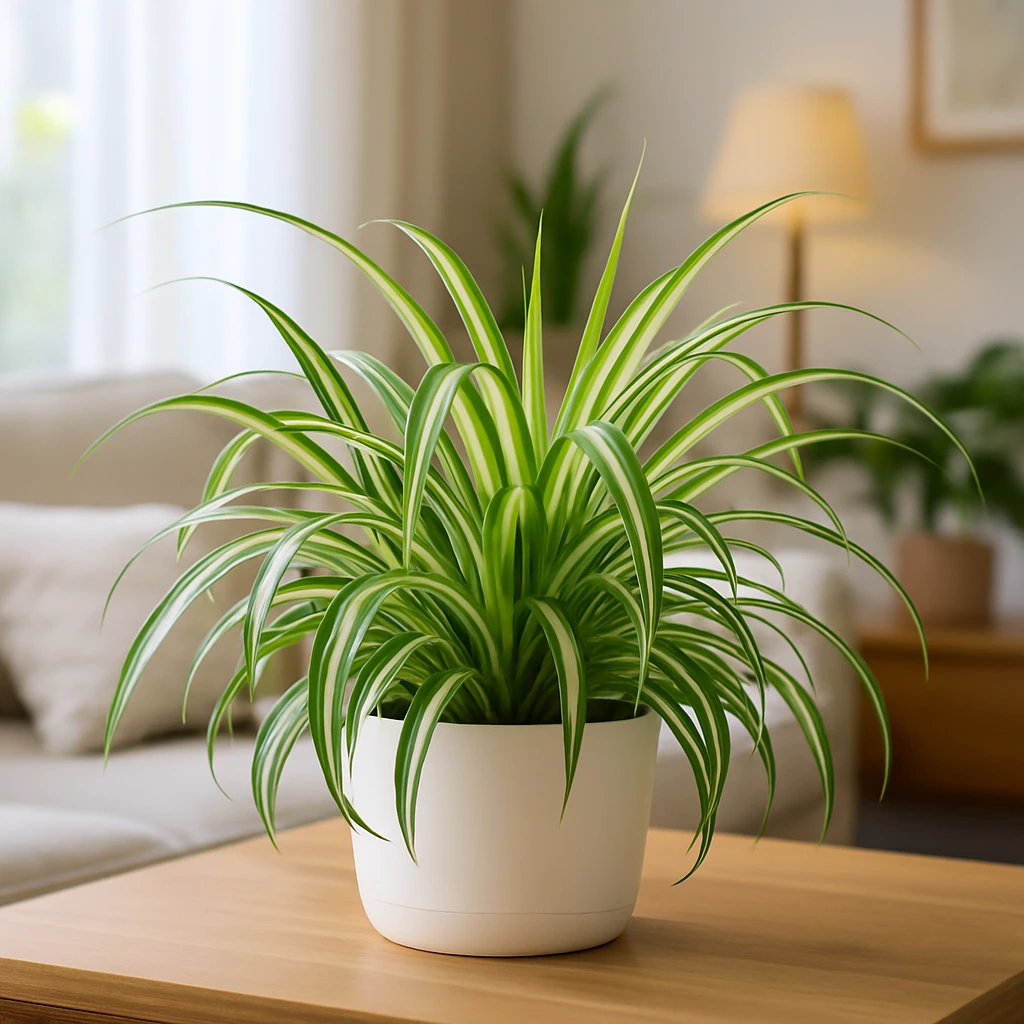
Spider Plants are classics for air purification. They remove harmful chemicals like formaldehyde and thrive in indirect sunlight. Plus, they’re safe for cats and dogs.
Bamboo Palm
Known for its lush leaves, the Bamboo Palm makes an excellent statement piece while filtering the air. It prefers bright, indirect light and works well in living rooms.
Boston Fern
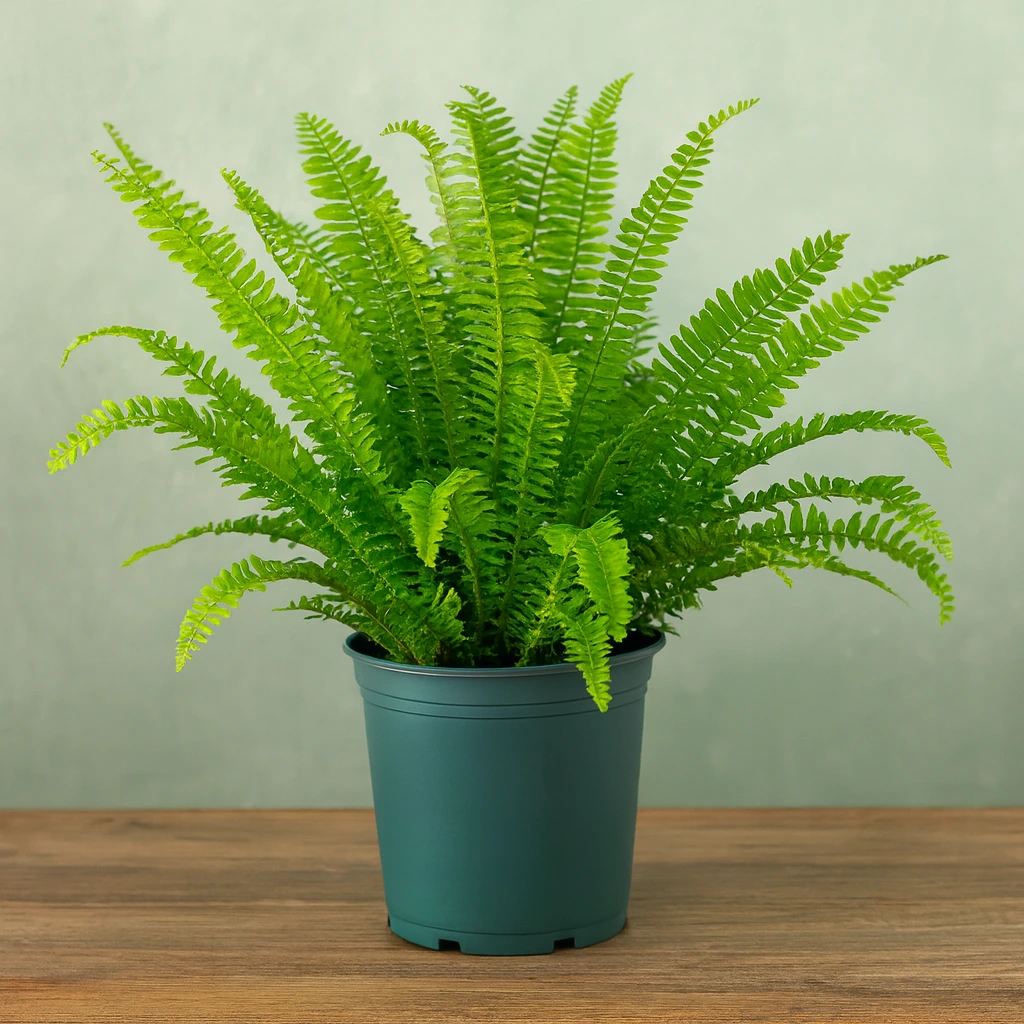
With its bushy fronds, the Boston Fern looks stunning in hanging baskets and loves humidity. It’s safe for pets and excellent at filtering indoor air.
Pro Tip: Place one in your bathroom to take advantage of the natural humidity.
Best Compact Pet-Friendly Indoor Plants for Small Spaces
Even in a studio apartment, you can enjoy greenery. These plants stay small, making them perfect for windowsills and shelves.
Peperomia
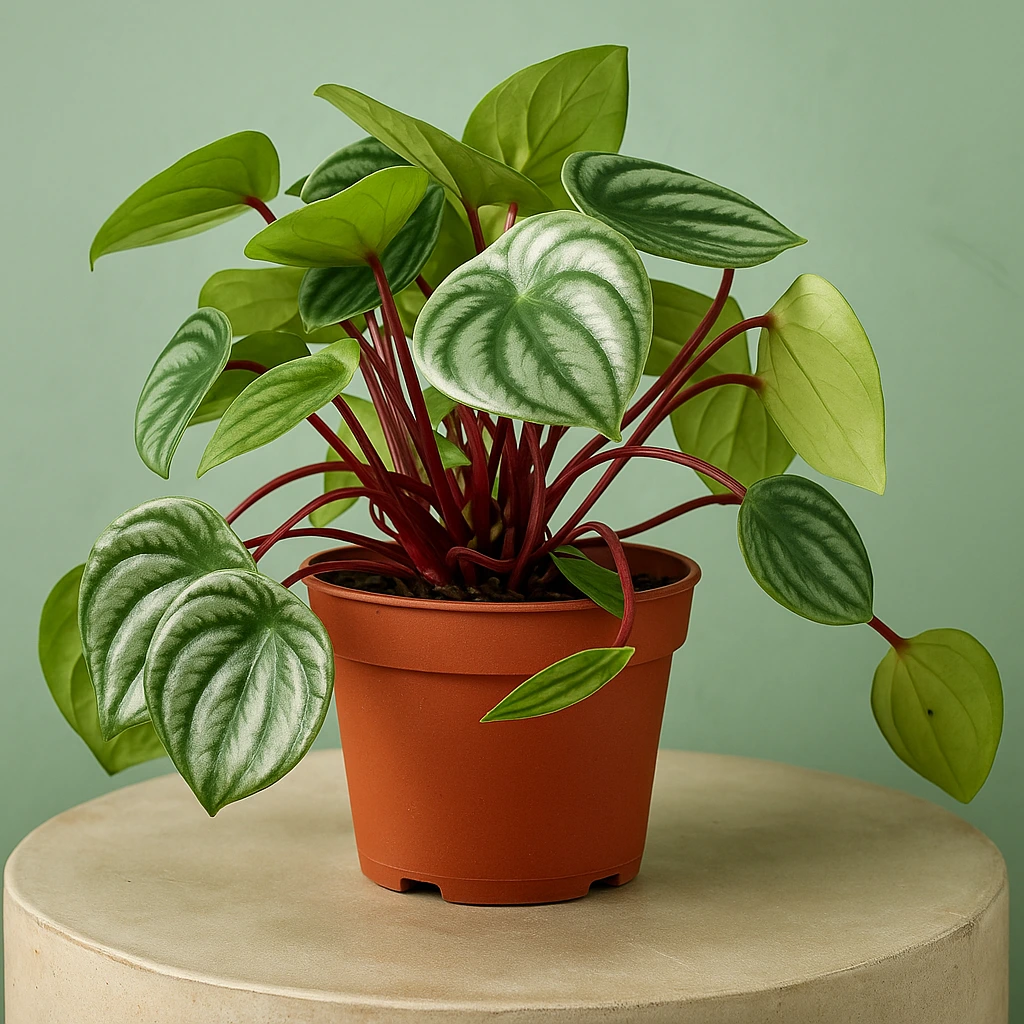
Peperomia boasts thick, waxy leaves and comes in several varieties. I keep one on my desk, and it adds life without taking up space. It’s one of the easiest plants to grow in apartments.
Haworthia
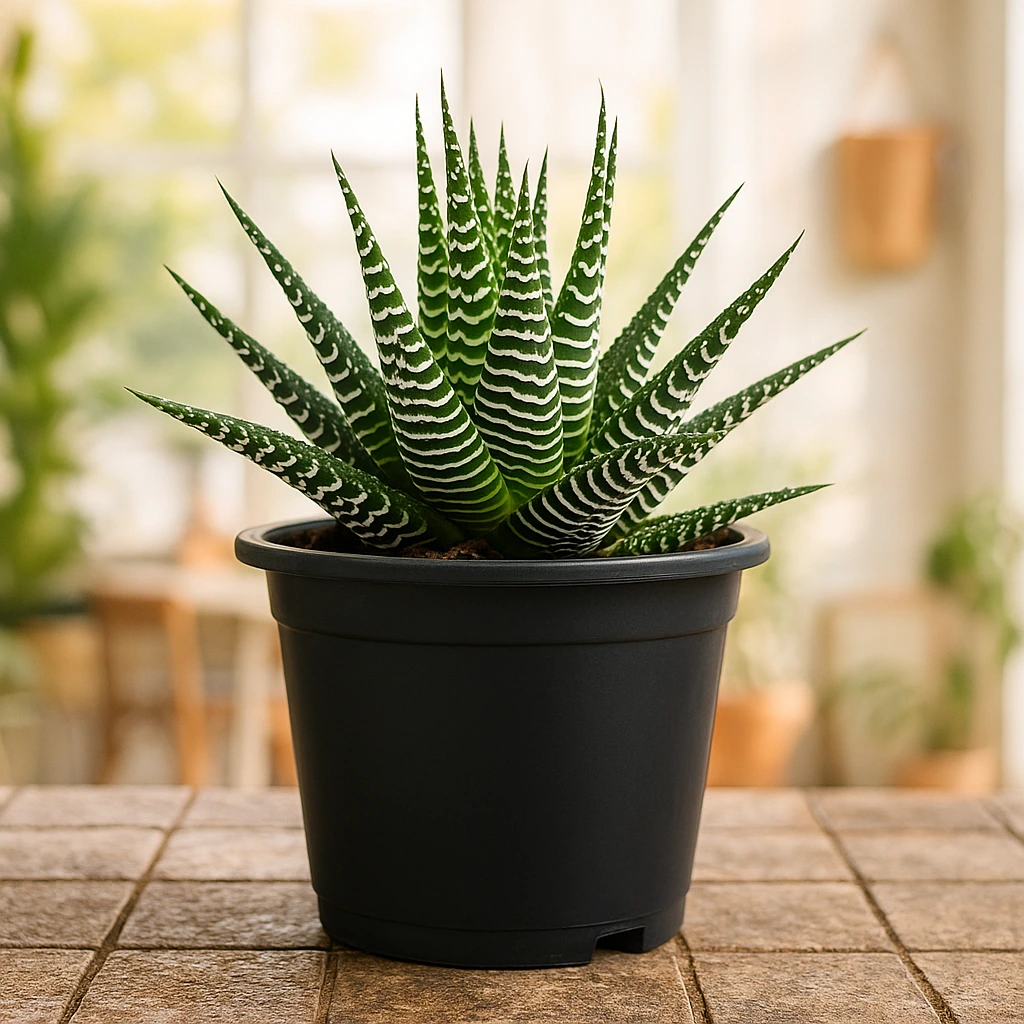
This succulent looks like aloe but is safe for pets. It grows just a few inches tall and thrives on neglect. It’s perfect for people who forget to water.
Friendship Plant
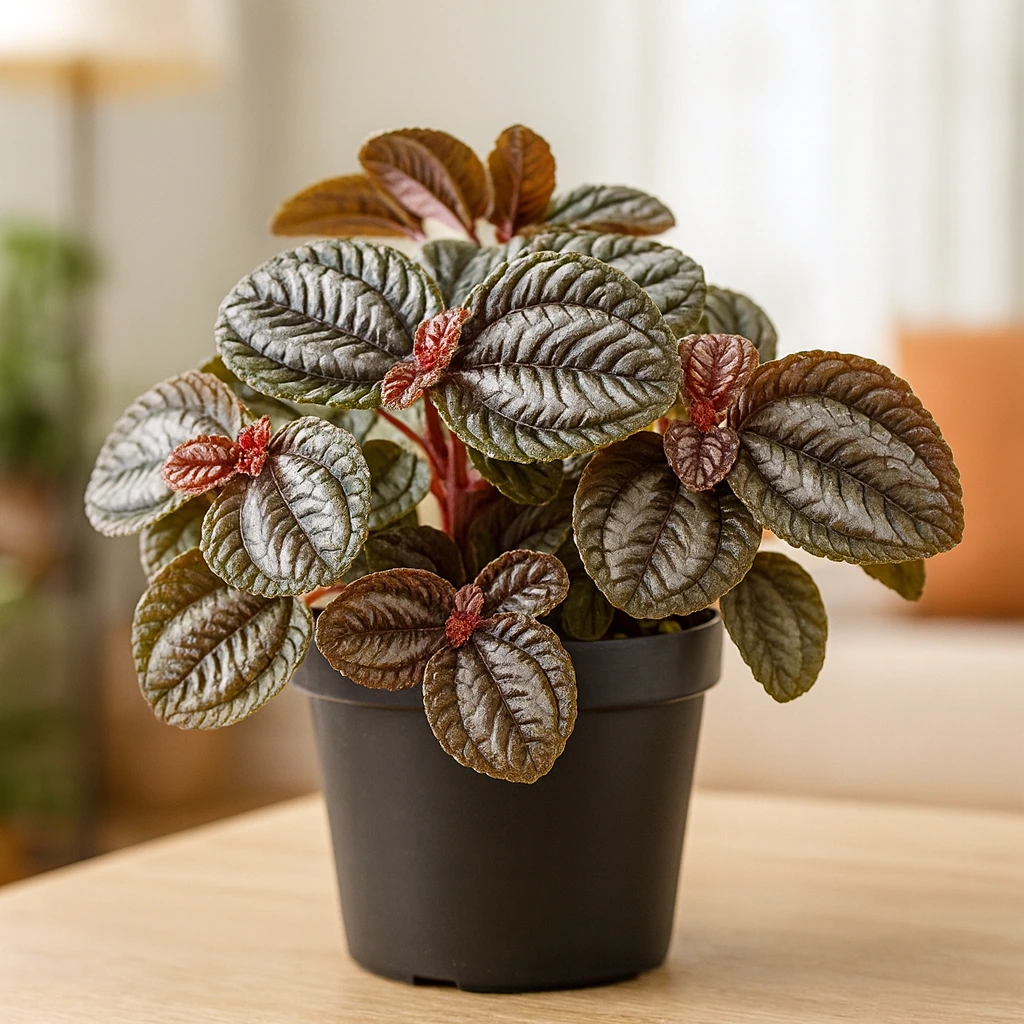
The Friendship Plant is compact, easy to grow, and completely non-toxic. It adds texture with its crinkled leaves and makes a great gift for plant-loving friends with pets.
Flowering Pet-Safe Plants for Indoor Beauty
You don’t have to give up flowers if you have pets. These blooming options are both colorful and safe.
African Violet
These small plants bloom almost year-round. They prefer bright, indirect light and reward you with vibrant flowers.
Christmas Cactus
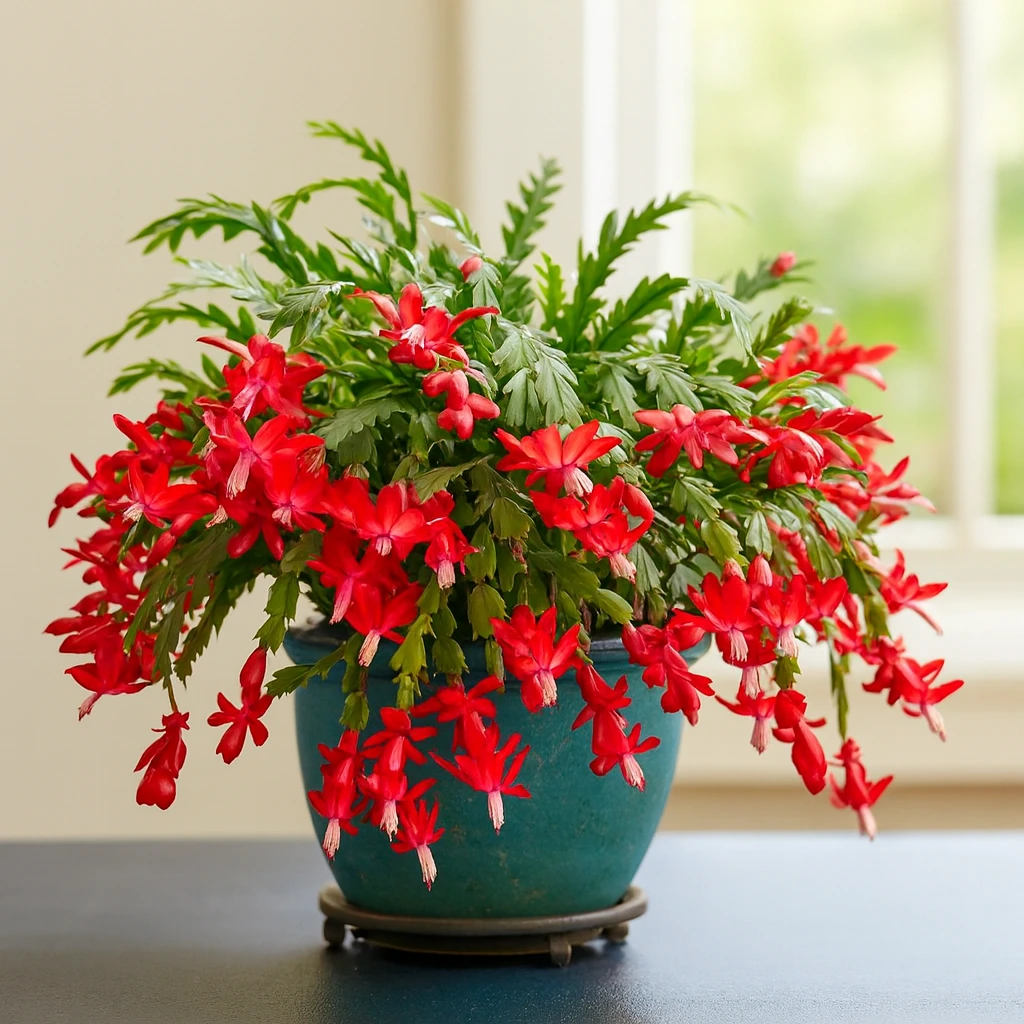
A winter favorite, the Christmas Cactus produces stunning blooms. It’s non-toxic and needs only occasional watering.
Prayer Plant (Maranta leuconeura)
The Prayer Plant is one of the most eye-catching pet friendly indoor plants, with its oval green leaves streaked with pink and red veins. At night, the leaves fold upward, resembling praying hands.
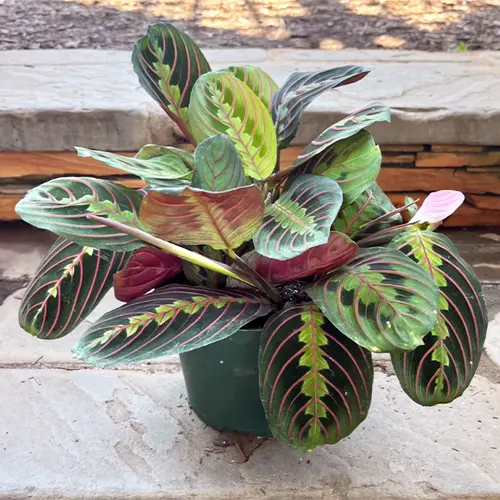
This plant thrives in bright, indirect light and high humidity. Completely safe for pets, the Prayer Plant is a showstopper that brings vibrant foliage to any indoor space
Hardy Low-Light Pet Friendly Indoor Plants
Dark corners don’t have to stay empty. These plants thrive without much sun.
Parlor Palm
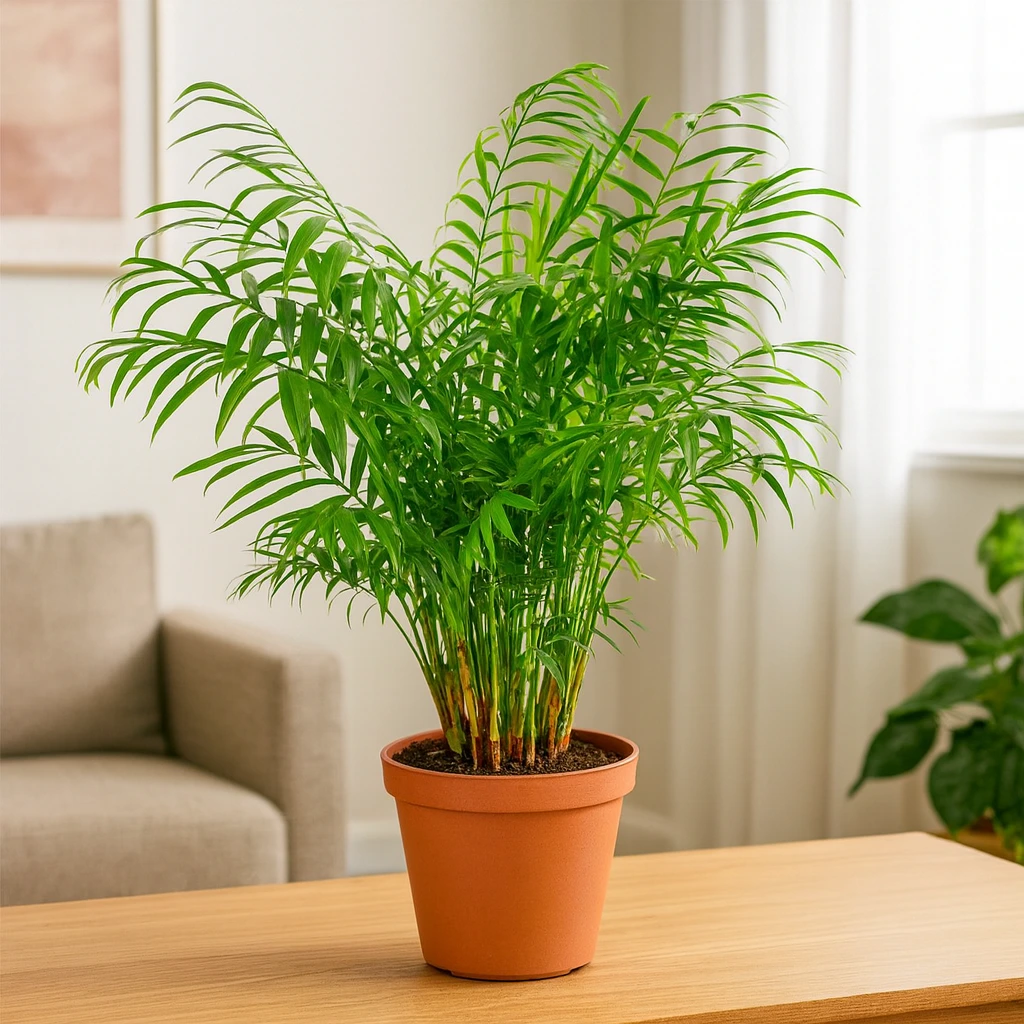
The Parlor Palm tolerates low light and grows slowly. It’s safe for pets and adds a tropical feel. It also improves humidity indoors, which benefits both plants and pets.
Spider Plant
Adaptable and forgiving, the Spider Plant handles dim corners with ease. It grows pups (baby plants) that you can repot or share with friends.
Boston Fern
Although it loves humidity, it does fine in low-light bathrooms or kitchens. Regular misting will keep it lush and green.
Calathea (Calathea setosa)
Often called the ‘Never Never Plant,’ is a striking pet-friendly option with bold green and purple patterned leaves.
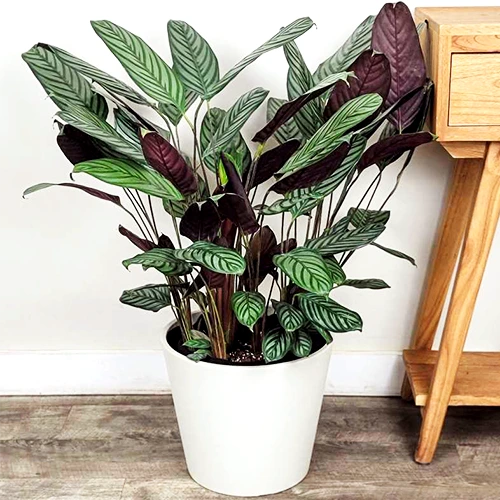
It thrives in medium to low indirect light and loves humidity, making it perfect for bathrooms or kitchens. Non-toxic to cats and dogs, this plant adds drama and elegance without risk to your pets.
Desert Charm: Pet-Safe Succulents
Succulents add modern appeal, and not all are harmful to pets.
Haworthia
This easy succulent resembles aloe but won’t hurt your pets. It thrives with little water and looks great in small pots.
Echeveria
Echeveria forms rosettes that look like flowers. Place it in bright sunlight and water sparingly. It’s safe for pets and adds color with its unique shapes.
Zebra Plant
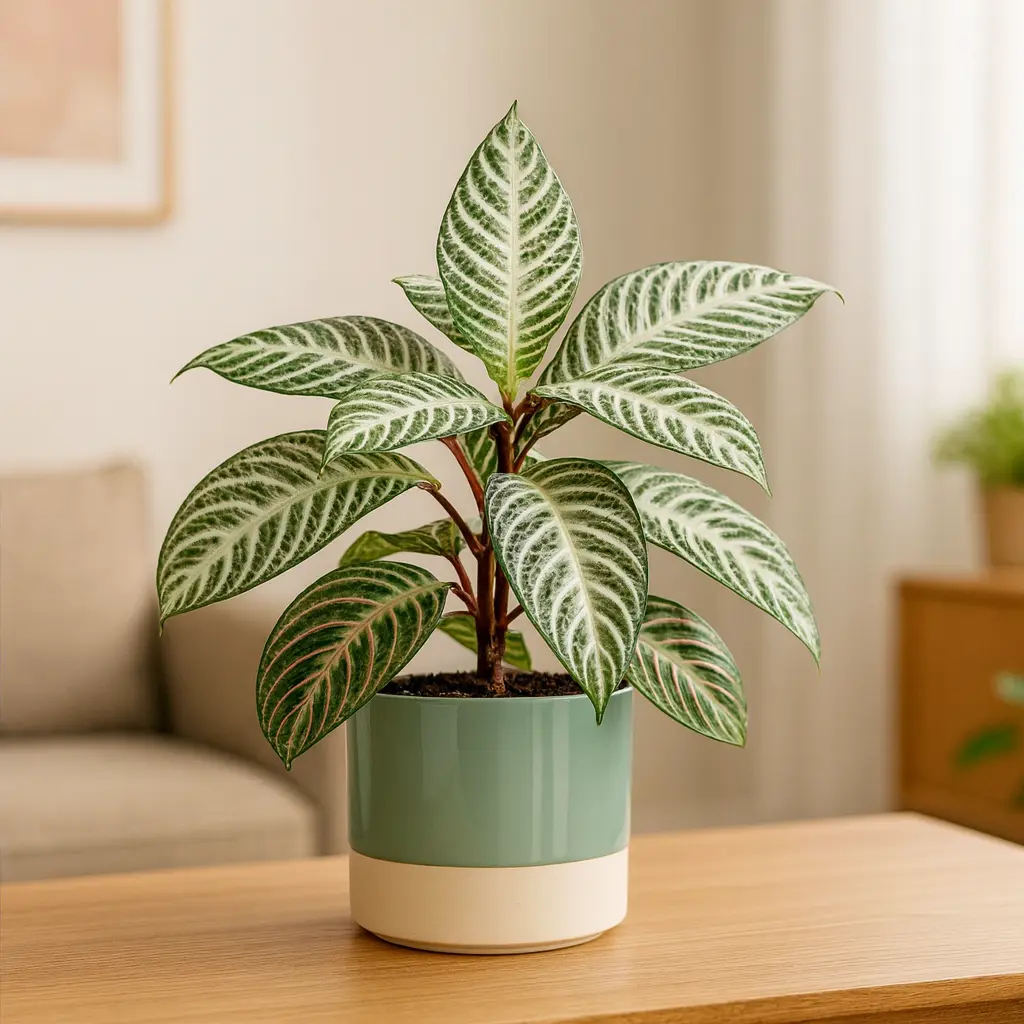
The Zebra Plant features striped leaves and requires little attention. It’s perfect for sunny windowsills.
Premium Pet-Safe Palms and Ferns
If you want plants that make a bold statement, palms and ferns are excellent choices.
Areca Palm
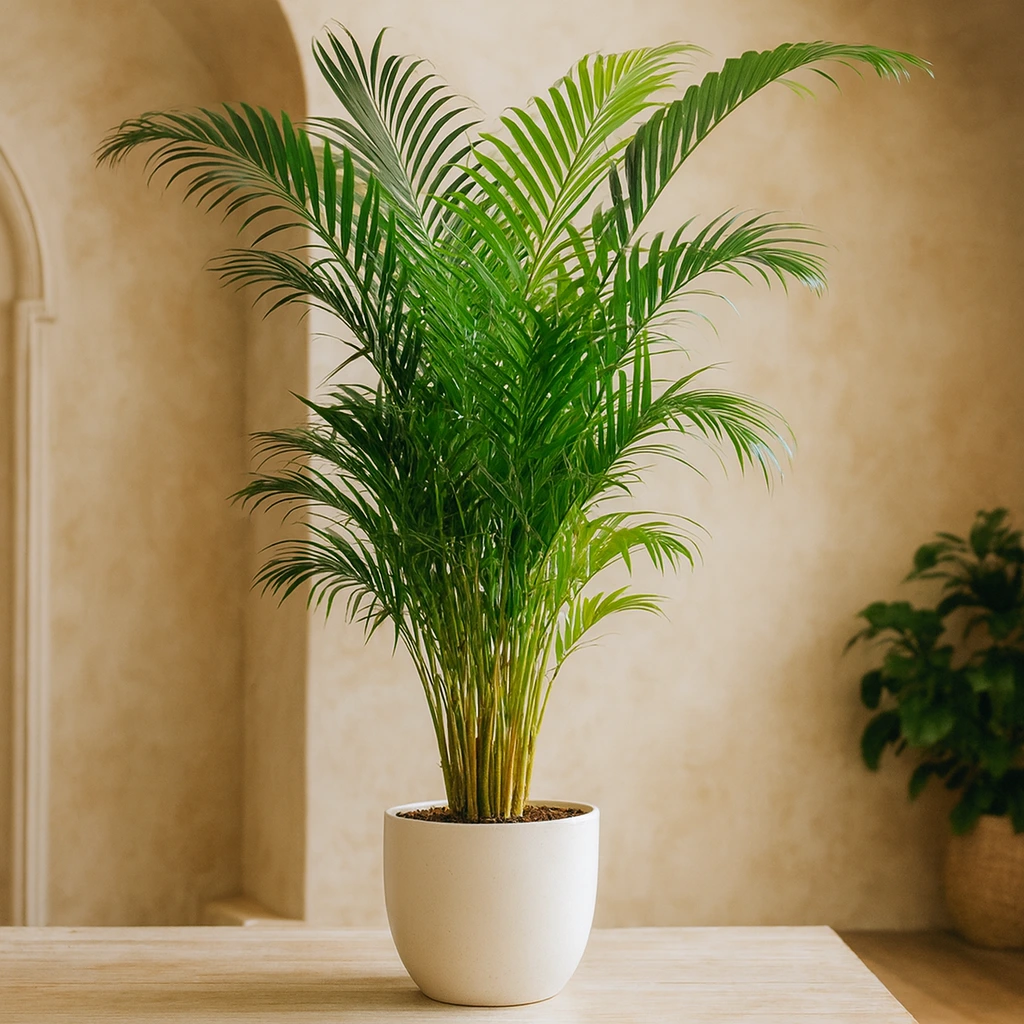
The Areca Palm adds tropical flair. It enjoys bright, indirect light and purifies air efficiently. Mist its leaves regularly to keep it looking fresh.
Bird’s Nest Fern
This fern’s wavy leaves add texture and charm. It thrives in humid spots like kitchens or bathrooms. Avoid watering the center rosette to prevent rot.
Majesty Palm
Another large palm that creates impact, the Majesty Palm is safe for pets and does well in bright, indirect light. It can grow tall, so make sure you have space.
Practical Styling Tips for Pet-Friendly Indoor Plants
Making your greenery blend seamlessly with your decor keeps your home stylish and safe.
- Hanging planters: Perfect for trailing plants like Spider Plants and Swedish Ivy.
- Wall-mounted shelves: Keep plants away from pets while adding vertical interest.
- Plant stands: Elevate ferns and palms to create layers of greenery.
- Grouped displays: Combine compact plants like Peperomia and Haworthia for variety.
Pros and Cons of Pet Friendly Indoor Plants
Pros:
- Safe for pets
- Improve air quality
- Add natural beauty
- Many varieties suit different light conditions
Cons:
- Some require humidity adjustments
- Curious pets may still play with leaves
- Large palms need space to thrive
Essential Care Guidelines for Pet-Safe Houseplants
You don’t need to sacrifice style or safety when choosing greenery. Many pet friendly indoor plants are also low maintenance, making them ideal for busy homeowners.
Light Requirements
Every plant has unique light needs. For example:
- Boston Ferns love bright, indirect light.
- African Violets thrive in lower light spots.
- Parlor Palms adapt to a range of light conditions.
Watering Basics
- Always check soil before watering to avoid root rot.
- Boston Ferns like humidity and consistent moisture.
- Spider Plants need moderate watering and tolerate neglect.
Placement Tips for Safety
Place plants on high shelves, hanging planters, or in corners less accessible to pets. While these plants are safe, prevention reduces the risk of messy accidents.
FAQs About Pet Friendly Indoor Plants
Q: Are all succulents safe for pets?
No. While Haworthia, Zebra Plant, and Echeveria are safe, Aloe Vera is toxic to cats and dogs.
Q: Can pets eat these plants safely?
Even safe plants can upset a pet’s stomach if eaten in large amounts. Always place plants where pets can’t nibble excessively.
Q: What’s the best pet-friendly plant for beginners?
Spider Plants are very forgiving and grow quickly, making them perfect for new plant owners.
Q: How do I stop my cat from chewing on plants?
Try citrus sprays, provide cat grass, or place plants in hanging baskets out of reach.
Conclusion: Creating a Safe, Green Home
Bringing pet friendly indoor plants into your home means you don’t need to choose between style and safety. From small succulents to towering palms, the above options let you create a lively, toxin-free environment.
Remember to consider light, watering, and placement so your plants thrive and your pets stay happy. A pet-friendly home full of greenery isn’t just possible, it’s a joy to live in.